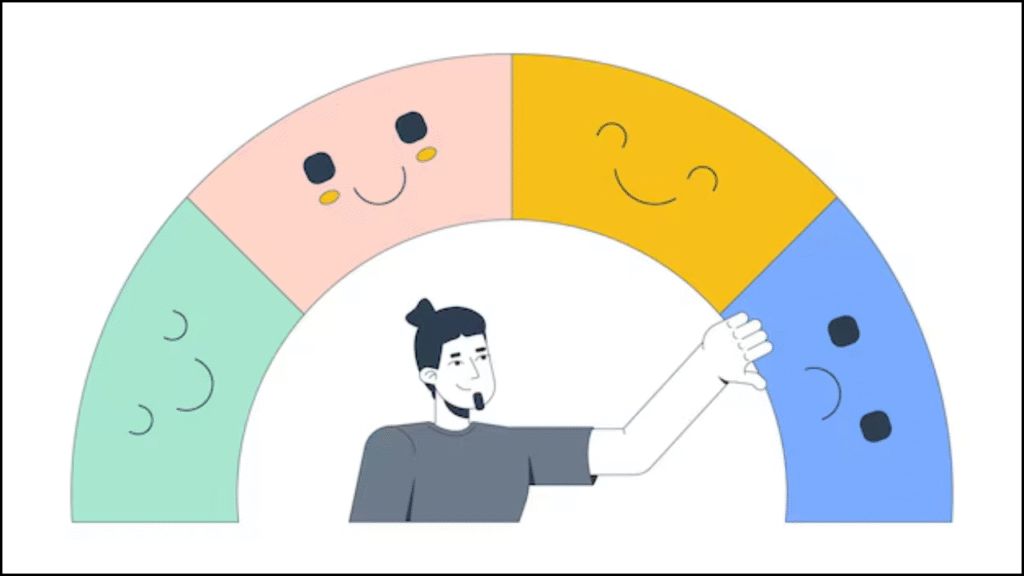
Emotions represent the dynamic core of human relationships, constantly shifting and evolving in response to interaction, context, and communication. Understanding these emotional fluctuations offers valuable insights into relationship health, empathy, and satisfaction. Dr. Saida Heshmati’s Main Lab explores real-time emotional tracking as a transformative approach to studying emotional exchanges within relationships. By integrating psychology, technology, and data analytics, the lab investigates how partners perceive, express, and respond to emotions in real-time, creating pathways to deeper understanding and improved well-being.
Table of Contents
Concept of Real-Time Emotional Tracking
Real-time emotional tracking involves continuous monitoring and analysis of emotional responses as they occur.
Technology such as wearable sensors, mobile applications, and biometric tools helps measure emotional signals.
Data on heart rate, voice tone, facial expressions, and physiological responses reveal emotional states during interactions.
Dr. Heshmati’s Main Lab applies these tools to explore how emotional awareness enhances intimacy and resilience in relationships.
Core Objectives of Real-Time Emotional Tracking Research
Objective
Description
Benefit
Understanding Emotional Synchrony
Analyze emotional alignment between partners during communication.
Improves empathy and mutual regulation.
Enhancing Relationship Satisfaction
Identify patterns leading to emotional disconnects.
Supports healthier emotional responses.
Reducing Miscommunication
Detect emotional cues that trigger misunderstandings.
Promotes effective conflict resolution.
Promoting Emotional Awareness
Encourage mindfulness of feelings during interactions.
Strengthens emotional intimacy.
Supporting Mental Health
Identify early signs of stress and emotional burnout.
Prevents relational decline and improves well-being.
Technological Tools and Methodologies Used in the Lab
Wearable sensors track physiological data like heart rate variability and skin conductance.
Facial recognition software analyzes micro-expressions that indicate emotional shifts.
Voice tone analysis detects subtle changes reflecting stress, affection, or frustration.
Smartphone applications allow real-time mood logging and feedback.
Machine learning algorithms process large emotional datasets to identify behavioral trends.
Dr. Heshmati’s Main Lab Research Focus Areas
Exploration of emotional synchronization among romantic partners and families.
Development of cross-cultural emotional tracking models that respect cultural variations in emotional expression.
Investigation of technology-assisted empathy and its role in fostering connection.
Study of emotional resilience and its link to physiological regulation in couples.
Integration of ethical frameworks to ensure privacy and emotional authenticity in data collection.
Key Findings from Dr. Heshmati’s Research
Research Area
Key Insight
Application
Emotional Coherence
Couples who share emotional patterns experience higher relationship satisfaction.
Encourages real-time empathy training.
Stress Tracking
Physiological data predict emotional strain before verbal conflict occurs.
Enables early intervention for relationship counseling.
Cultural Differences
Emotional expression intensity varies across societies but emotional regulation is universal.
Informs culturally sensitive emotional tools.
Digital Emotion Mapping
Mobile tracking helps couples recognize daily emotional triggers.
Promotes conscious emotional awareness.
Emotional Forecasting
Algorithms predict relational outcomes based on emotional trends.
Supports long-term relationship well-being.
Role of Emotional Awareness in Relationship Strength
Emotional self-awareness fosters authenticity and vulnerability.
Recognition of emotional cues prevents escalation during disagreements.
Tracking shared emotions helps partners validate each other’s experiences.
Real-time awareness encourages adaptive behaviors and positive reinforcement.
Emotional transparency enhances trust and communication satisfaction.
Integration of Technology and Psychology
Aspect
Psychological Process
Technological Tool
Outcome
Emotion Recognition
Identifying internal states
Facial expression analysis
Better emotional accuracy
Emotional Regulation
Managing negative feelings
Biofeedback wearables
Improved emotional control
Empathy Building
Understanding partner emotions
Real-time data visualization
Stronger emotional connection
Communication Improvement
Detecting tone and context shifts
Voice analysis tools
Reduced misinterpretation
Relationship Maintenance
Tracking long-term emotional trends
AI-powered analytics
Early conflict prevention
Ethical Considerations in Real-Time Emotional Tracking
Privacy concerns arise when emotional data is continuously recorded.
Informed consent must be central to all emotional tracking studies.
Cultural sensitivity ensures emotion recognition models respect diverse expressions.
Transparency and trust are vital in using emotion-related data within personal relationships.
Emotional autonomy must be preserved to avoid over-monitoring and dependency on technology.
Cross-Cultural Emotional Tracking Studies
Cultures vary in openness of emotional expression and comfort with technology-based monitoring.
Dr. Heshmati’s cross-cultural research emphasizes adapting emotional tracking methods to align with local emotional norms.
Emotional tracking in collectivist cultures focuses on group harmony, while in individualist cultures, it prioritizes self-awareness.
The lab’s models accommodate linguistic and non-verbal differences to ensure accuracy and respect.
Practical Applications of Emotional Tracking Research
Relationship Counseling: Therapists use emotional data to guide couples toward mutual understanding.
Health and Well-Being Programs: Emotional tracking supports stress management and holistic care.
Education: Emotional monitoring helps students and teachers improve classroom empathy and connection.
Workplace Dynamics: Emotion recognition tools enhance team collaboration and conflict management.
Public Engagement: Community-based studies promote emotional literacy and collective resilience.
Challenges in Real-Time Emotional Tracking
Data overload can make emotional insights difficult to interpret.
Technological limitations may fail to capture subtle emotional nuances.
Cultural bias in emotion detection algorithms can distort results.
User fatigue occurs when emotional tracking feels intrusive.
Ethical dilemmas emerge regarding emotional surveillance in intimate contexts.
Dr. Heshmati’s Vision for Future Research
Focus Area
Future Direction
AI and Emotion Prediction
Develop ethical AI that interprets emotions with cultural accuracy.
Interdisciplinary Integration
Combine psychology, neuroscience, and computer science for richer insights.
Emotion-Responsive Interventions
Create systems that suggest empathy-based responses in real-time.
Cross-Cultural Collaboration
Expand emotional databases to include underrepresented cultures.
Public Emotional Education
Promote awareness of emotion tracking as a self-improvement tool.
Final Thoughts
Real-time emotional tracking offers a revolutionary lens for understanding relationships in both personal and cross-cultural contexts. Through technological precision and psychological depth, Dr. Saida Heshmati’s Main Lab demonstrates how continuous emotional insight can nurture empathy, communication, and resilience. By merging ethical innovation with emotional science, the lab’s work underscores that awareness of one’s emotional landscape is not only a personal strength but also a foundation for lasting relational harmony and collective well-being.
She is a creative and dedicated content writer who loves turning ideas into clear and engaging stories. She writes blog posts and articles that connect with readers. She ensures every piece of content is well-structured and easy to understand. Her writing helps our brand share useful information and build strong relationships with our audience.