The Well-Being & Developmental Methods Research Lab, under the direction of Dr. Saida Heshmati, represents a center for innovative studies on human emotions, development, and cultural understanding. The lab focuses on exploring how individuals experience well-being and how diverse methods can be used to analyze emotional and developmental patterns across different cultures. The lab’s initiatives, including the Cross-Cultural Love Project, supported by the Templeton Grant, have positioned it as a leader in the study of love, happiness, and human growth from a global perspective.
Main Objectives of the Lab
- Understanding psychological well-being and its developmental aspects.
- Investigating emotional expression across diverse cultural backgrounds.
- Applying interdisciplinary methods for accurate research in emotional science.
- Supporting research collaborations through innovative projects and data sharing.
- Providing mentorship and research training to young scholars and students.
Focus Areas of Research
- Cultural Psychology: Study of how culture influences emotions, identity, and relationships.
- Well-Being Measurement: Development and validation of tools to assess emotional well-being.
- Developmental Methods: Analysis of human growth stages and emotional transitions.
- Emotion Regulation: Exploration of how people from different backgrounds manage emotions.
- Love and Connection: Examination of love as a universal yet culturally shaped emotion.
About Dr. Saida Heshmati
Dr. Saida Heshmati serves as the Principal Investigator and founder of the Well-Being & Developmental Methods Research Lab. Her expertise lies in cross-cultural psychology, well-being research, and methodological innovation in emotional assessment. Through her leadership, the lab integrates scientific rigor with compassion-driven inquiry, aiming to bridge the gap between emotional science and real-world human experiences.
Key Projects Conducted Under the Lab
- Cross-Cultural Love Project (Templeton Grant):
A global study exploring how love is experienced, expressed, and understood across cultures. It investigates whether love manifests in similar ways among people from different regions or whether cultural influences create unique emotional experiences. - Emotion and Well-Being Measurement:
Development of reliable tools and questionnaires to measure subjective happiness, life satisfaction, and emotional stability in various age groups. - Cultural Identity and Relationship Dynamics:
Examination of how cultural identity affects relationship satisfaction, attachment patterns, and emotional communication in interpersonal relationships. - Youth Emotional Development:
Research focusing on how adolescents develop emotional intelligence, empathy, and resilience across cultural settings.
Overview of the Well-Being & Developmental Methods Research Lab
| Category | Details |
|---|---|
| Name of the Lab | Well-Being & Developmental Methods Research Lab |
| Director | Dr. Saida Heshmati |
| Major Project | Cross-Cultural Love Project (Templeton Grant) |
| Primary Research Areas | Well-being, emotional development, cultural psychology |
| Affiliation | Academic research under Dr. Heshmati’s guidance |
| Core Goal | Understanding and promoting human well-being through cross-cultural research |
| Website Access | “Well-Being & Developmental Methods Research Lab Website” link available online |
The Cross-Cultural Love Project
The Cross-Cultural Love Project stands as a flagship initiative within the lab. Supported by the Templeton Grant, this project explores how individuals perceive and express love across societies. It compares emotional expressions among people from different countries, highlighting both shared human values and cultural variations.
- Goal: To understand universal and culture-specific aspects of love.
- Approach: Use of mixed research methods such as interviews, surveys, and emotion-based experiments.
- Participants: Individuals from diverse countries and backgrounds.
- Outcome: A comprehensive dataset on emotional experiences related to love, attachment, and human connection.
Methods and Techniques Used in Research
| Method | Description |
|---|---|
| Survey Analysis | Collection of quantitative data from cross-cultural participants on emotions and well-being. |
| Qualitative Interviews | Deep discussions to understand personal experiences of love and emotional development. |
| Longitudinal Studies | Tracking emotional changes in individuals over a period of time. |
| Psychometric Tool Development | Designing scales to assess well-being and emotional regulation. |
| Cross-Cultural Comparison | Statistical evaluation of differences and similarities in emotions across countries. |
Training and Mentorship Opportunities
- Students are trained in data collection, analysis, and cultural research ethics.
- The lab offers mentorship for undergraduate and graduate students interested in emotional development and well-being research.
- Collaborative opportunities allow participants to work on real-world research questions.
- Workshops focus on developing skills in research methodology and emotional assessment.
Academic and Community Impact
- Research findings contribute to psychological science, education, and mental health awareness.
- The lab’s cross-cultural studies promote global empathy and understanding of emotional diversity.
- Academic collaborations help develop better frameworks for well-being programs worldwide.
- Publications from the lab influence policies related to happiness and emotional health in educational and social contexts.
Collaborations and Partnerships
- The lab collaborates with international universities, mental health organizations, and research networks.
- Partnerships support global data collection and multicultural perspectives.
- Joint publications ensure that emotional well-being research reaches academic and policy-making communities.
Access to Resources and Online Presence
The Well-Being & Developmental Methods Research Lab Website serves as a portal for updates, publications, and opportunities. Visitors can navigate to the Cross-Cultural Love Project website to explore ongoing findings and participation options.
| Online Resource | Purpose |
|---|---|
| Main Lab Website | Offers details on ongoing research, team members, and publications. |
| Cross-Cultural Love Project Website | Provides project goals, participation forms, and updates. |
| Contact Section | Allows communication with the research team for collaboration or inquiry. |
| Publication Archive | Displays journal articles and research papers authored by lab members. |
Values and Vision of the Lab
- Commitment to scientific integrity and ethical research practices.
- Dedication to cross-cultural inclusivity and emotional awareness.
- Emphasis on evidence-based understanding of human emotions and well-being.
- Vision of building a global community united by empathy, knowledge, and shared humanity.
Future Directions
- Focus on applying research outcomes to education, counseling, and social policy programs.
- Expansion of research into digital emotion expression through technology.
- Development of new cross-cultural emotional assessment tools.
- Establishment of more international collaborations for broader data inclusion.
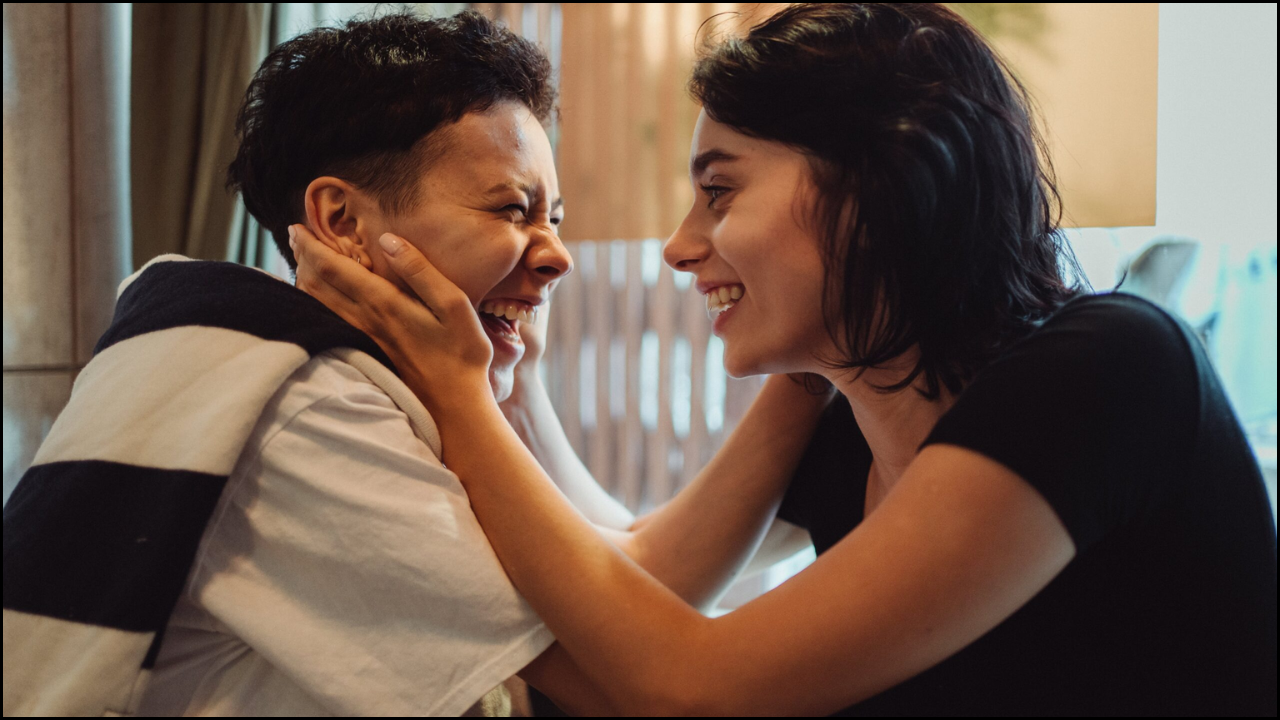
Intercultural Understanding Through Shared Experiences of Love

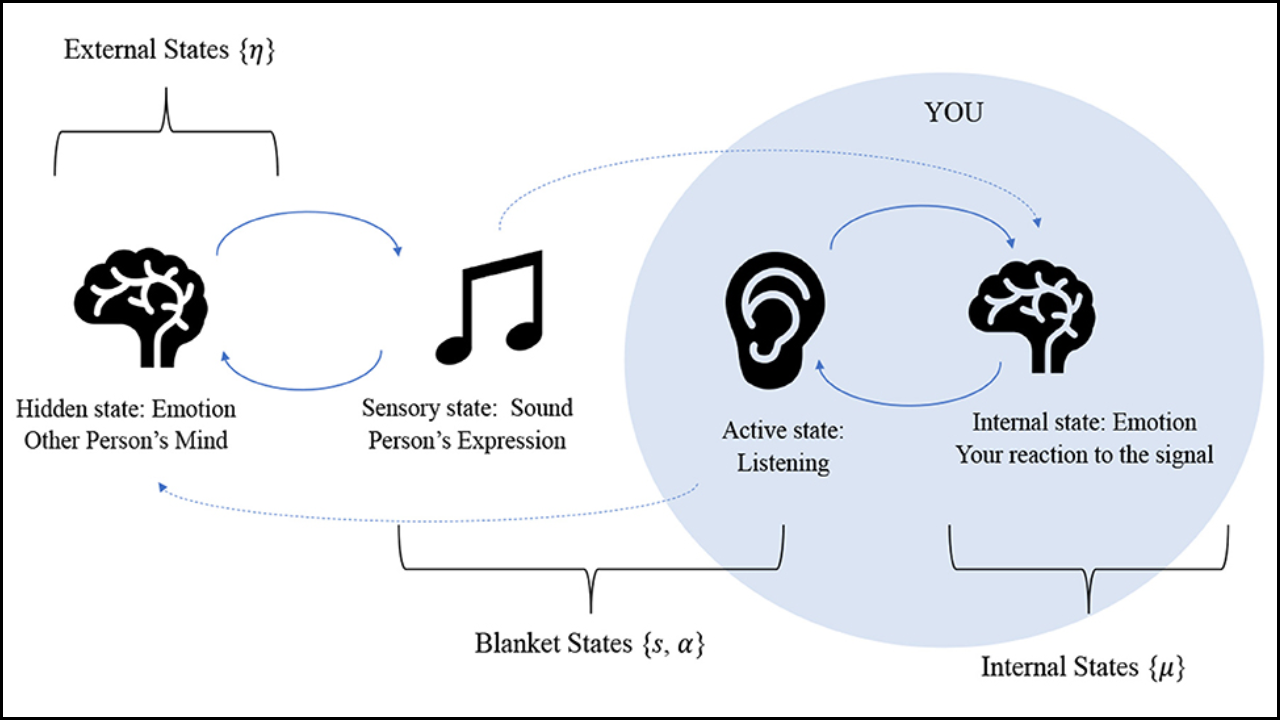
Bayesian Modeling Of Emotional Dynamics
Measurement Tools for Cross-Cultural Love Research
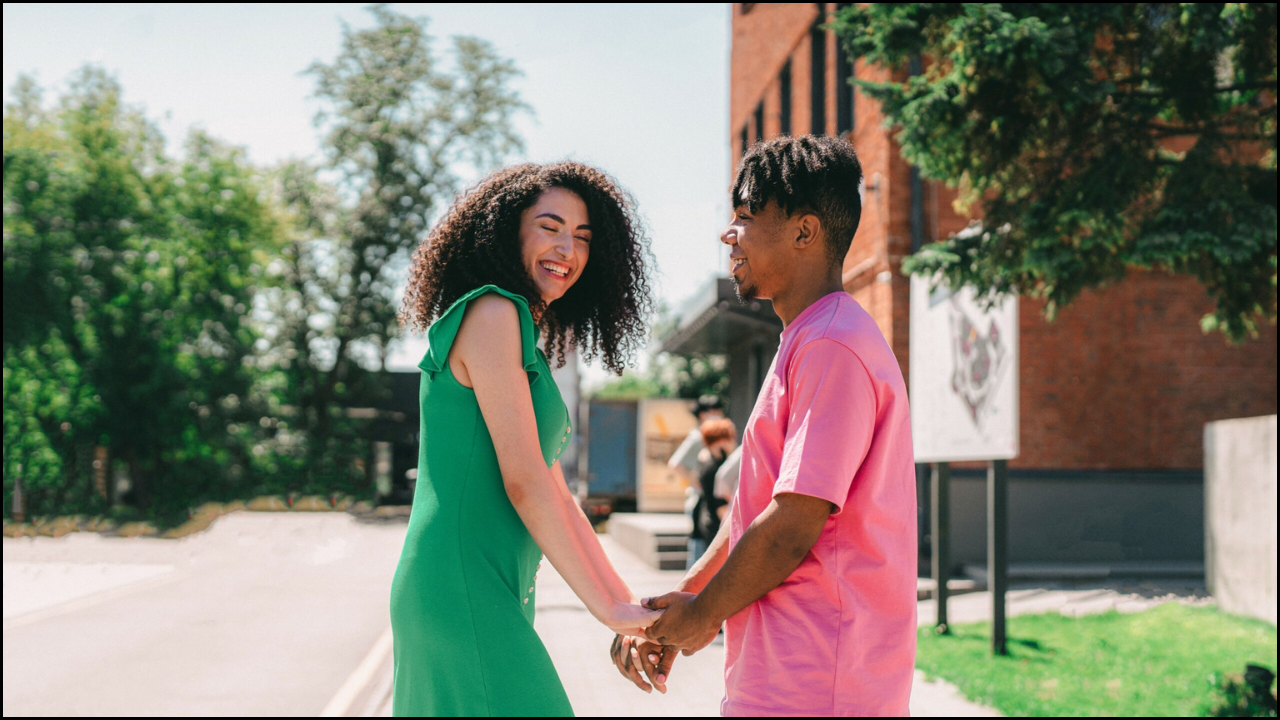
Cultural Beliefs About Love Across Societies
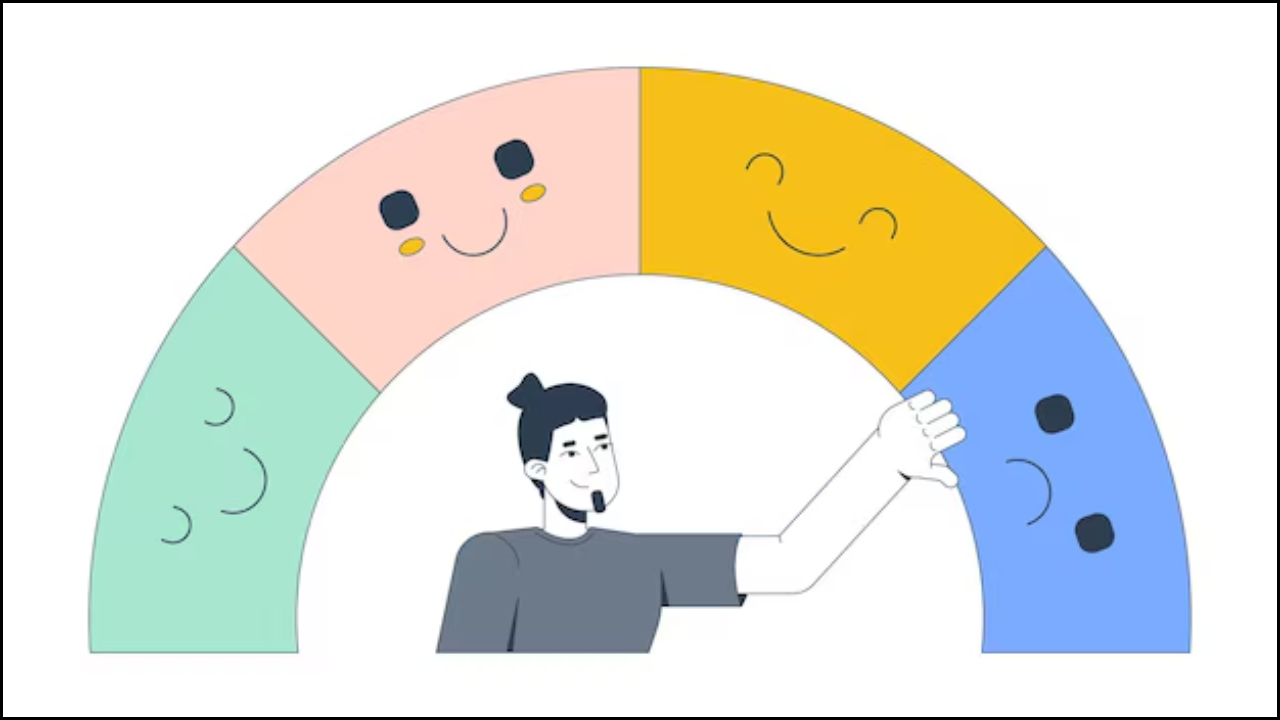
Real-Time Emotional Tracking in Relationships

CDC Vouchers Deadline Alert: Singapore Households Must Claim S$800 Before 5 December
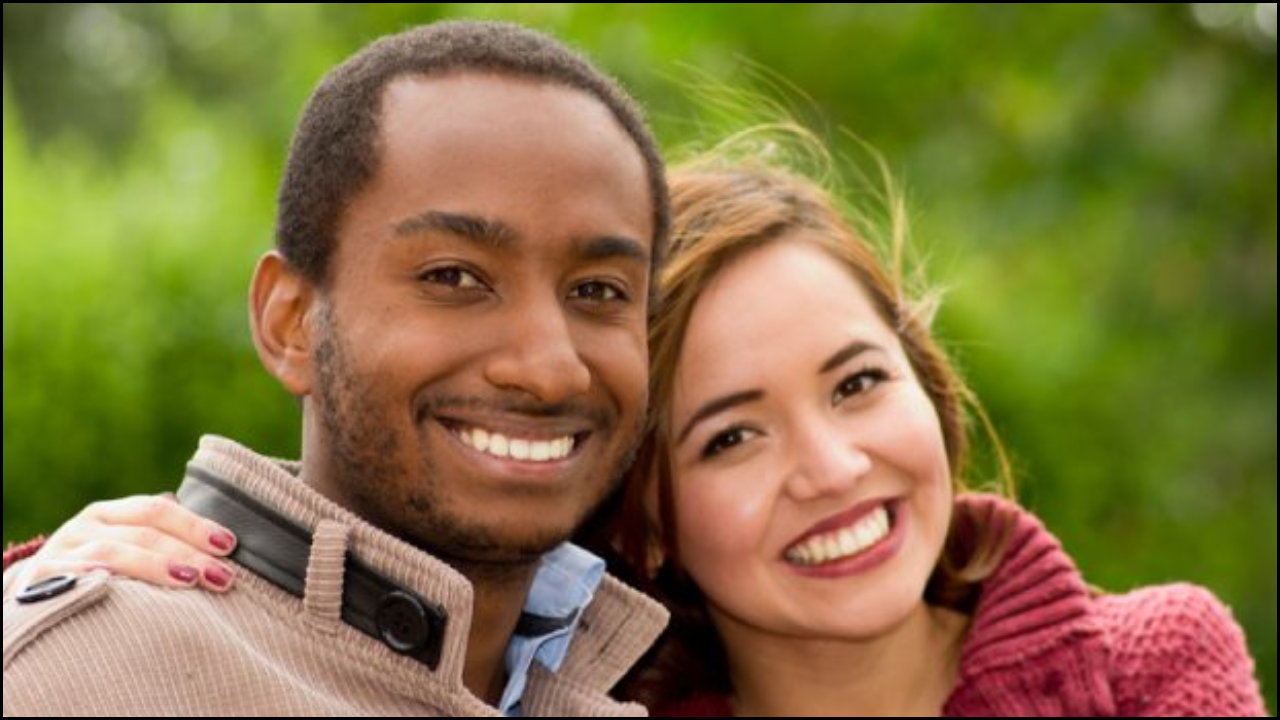
Cross-Cultural Expressions of Romantic Love

Longitudinal Studies of Love Across the Lifespan
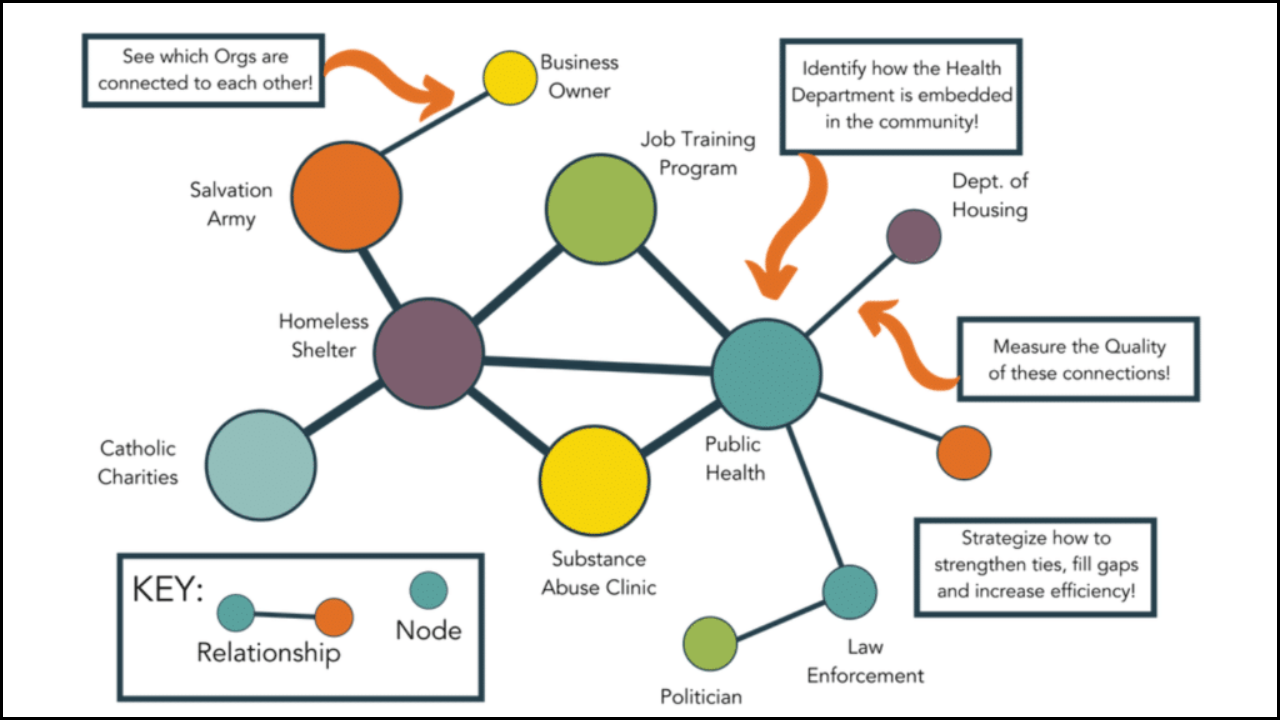
Dynamic Network Analysis of Social Connections

Emotional Intelligence and Cross-Cultural Empathy
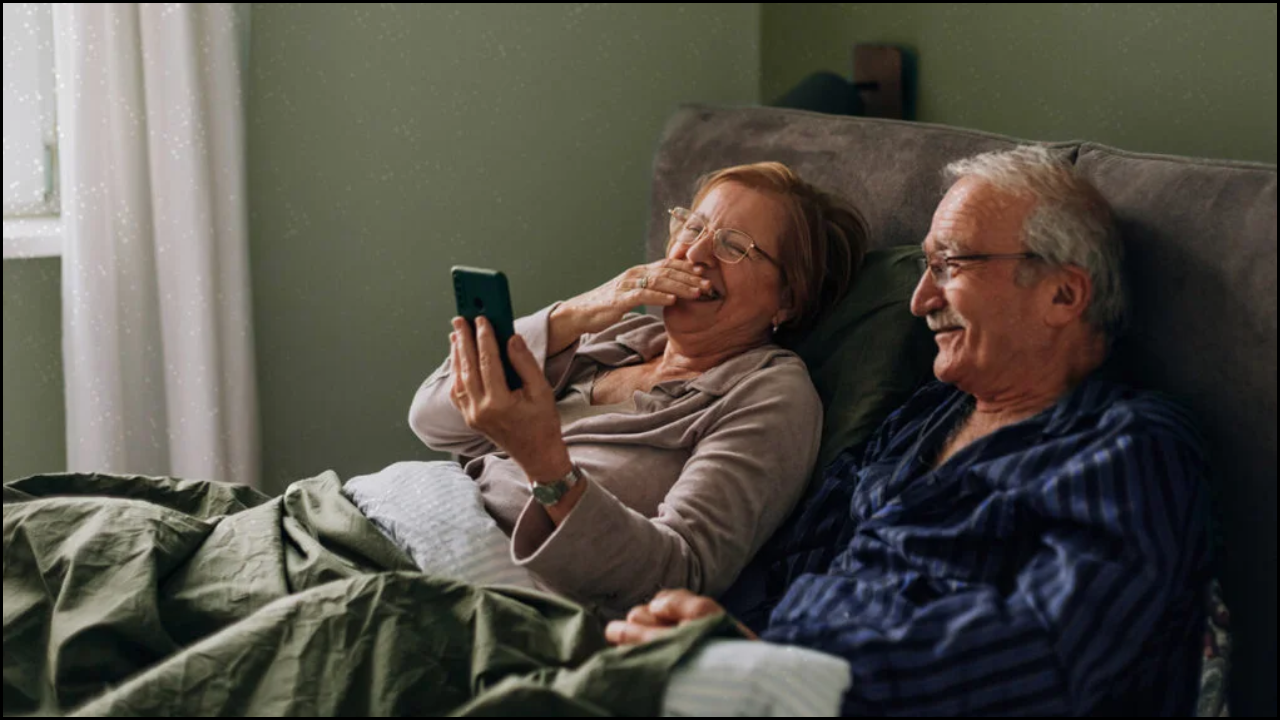
Effects of Societal Values on Relationship Satisfaction