Love represents a universal emotion that connects individuals beyond romantic attachment. Familial and friendship love form the foundation of emotional security, social trust, and human growth. Dr. Saida Heshmati’s Main Lab focuses on understanding these non-romantic forms of love through psychological, cultural, and behavioral perspectives. The lab’s work emphasizes that affection between family members and friends contributes significantly to mental well-being and societal harmony. Studying how cultures define and express these types of love offers insights into human development and cross-cultural empathy.
Table of Contents
Nature of Familial and Friendship Love
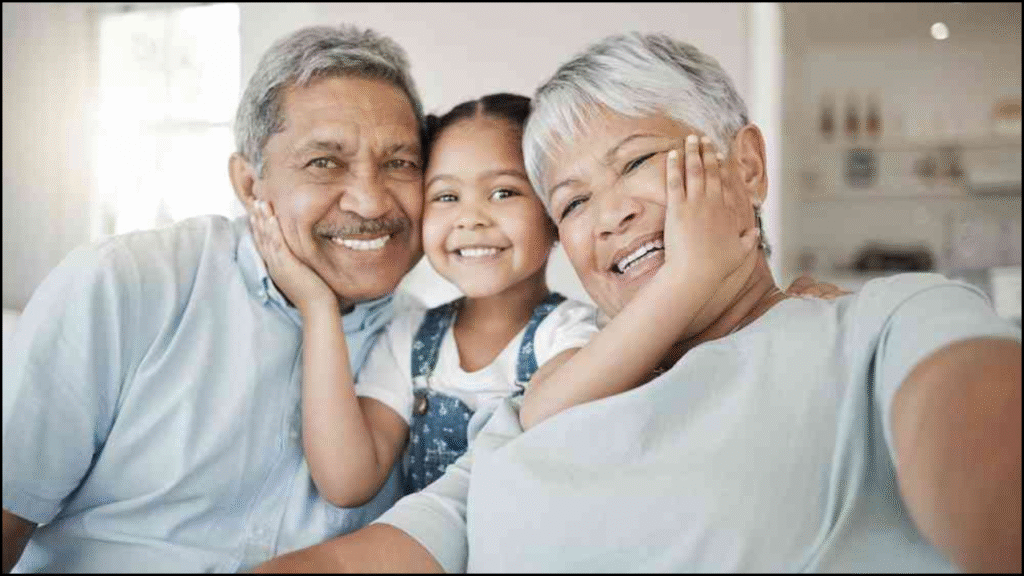
Familial love reflects deep bonds of care, protection, and continuity across generations.
Friendship love centers on trust, companionship, and mutual understanding.
Both forms of love develop emotional resilience and create stable social environments.
Dr. Heshmati’s Main Lab identifies these bonds as crucial for nurturing emotional intelligence, self-esteem, and social belonging.
Across societies, the ways people express these loves vary, influenced by culture, religion, and social norms.
Familial Love Across Cultures
Familial love often represents duty, respect, and shared responsibility.
In collectivist cultures, family is viewed as the primary social unit where love is expressed through service and obedience.
In individualistic societies, familial affection often includes open communication and emotional freedom.
Dr. Heshmati’s research explores how families balance affection with expectations in different cultural frameworks.
The Main Lab also studies how parental warmth, sibling support, and intergenerational care shape well-being.
Cross-Cultural Views of Familial Love
Culture
Expression of Love
Primary Values
Common Behaviors
Emotional Impact
East Asian (Japan, China)
Respect and obligation
Filial piety and harmony
Obedience, care for elders
Stability and security
Western (USA, Europe)
Emotional openness
Individual growth and communication
Verbal affection, support
Confidence and empathy
South Asian (India, Pakistan)
Sacrifice and devotion
Family honor and unity
Shared responsibilities
Loyalty and belonging
African (Nigeria, Kenya)
Collective care
Kinship and tradition
Extended family networks
Solidarity and trust
Middle Eastern (Iran, Egypt)
Religious and moral ties
Duty, respect, and compassion
Interdependence
Emotional strength
Parent-Child Love Dynamics
Parent-child relationships form the first and most influential experience of love.
Parental affection fosters emotional regulation and confidence in children.
In some societies, parental love is expressed through protection and guidance rather than verbal affection.
Dr. Heshmati’s Main Lab studies how parenting styles reflect cultural values—authoritative, permissive, or collective caregiving.
Intergenerational transmission of love shapes moral development and future relationship patterns.
Sibling Love and Support Systems
Sibling relationships act as early training grounds for empathy, conflict resolution, and emotional sharing.
Rivalry often coexists with deep affection and lifelong companionship.
Cultural attitudes influence sibling roles—elder siblings may carry leadership and caregiving duties in collectivist cultures.
Dr. Heshmati’s research emphasizes that sibling love supports social learning, emotional security, and resilience.
The lab identifies these bonds as stabilizing forces within family networks.
Friendship, Love, and Emotional Reciprocity
Friendship love arises from voluntary connections built on mutual respect and shared experience.
Unlike familial love, friendship is chosen and often based on equality.
Expressions of friendship vary: Western cultures favor emotional openness, while Eastern societies may value loyalty and nonverbal understanding.
Dr. Heshmati’s Main Lab highlights the psychological significance of friendship as a buffer against stress and isolation.
Deep friendships foster social support, self-expression, and happiness across all age groups.
Cultural Patterns of Friendship Love
Region
Nature of Friendship
Expression Style
Underlying Value
Common Practice
Western
Emotionally expressive and equal
Direct communication
Individual trust
Sharing personal feelings
East Asian
Subtle and enduring
Nonverbal care
Loyalty and harmony
Quiet companionship
South Asian
Respectful and long-term
Shared activities
Faithfulness
Collective gatherings
Middle Eastern
Trust-centered and moral
Generous acts
Honor and faith
Hospitality and shared meals
African
Community-driven
Cooperative actions
Solidarity
Helping and collective bonding
Cultural Expressions of Familial and Friendship Love
Familial and friendship love may be communicated through rituals, gestures, and cultural traditions.
In Japan, family bonds are often expressed through nonverbal care, such as preparing food or performing household tasks.
In Latin America, affection is shown through physical closeness, emotional warmth, and shared celebrations.
In India, friendship is celebrated through festivals like Friendship Day, symbolizing enduring loyalty.
Dr. Heshmati’s Main Lab examines these expressions as reflections of social identity and emotional values.
Role of Gender in Family and Friendship Bonds
Gender roles influence how love is expressed and perceived within families and friendships.
Women traditionally take emotional responsibility in maintaining relationships, while men may express love through actions.
Changing gender dynamics has increased emotional openness and balance across relationships.
Dr. Heshmati’s research documents this evolution, noting that modern societies promote more emotional equality.
Balanced expressions of love enhance relational satisfaction and family harmony.
Gender-Based Expressions of Familial and Friendship Love
Gender
Traditional Expression
Modern Expression
Cultural Shift Observed
Women
Caregiving and empathy
Emotional sharing and independence
Greater autonomy and equal contribution
Men
Provision and protection
Verbal affection and active involvement
Increased emotional openness
Non-binary Roles
Limited recognition in past
Growing inclusion in family systems
Expansion of emotional diversity
Emotional Functions of Non-Romantic Love
Familial and friendship love provide psychological safety, belonging, and identity.
Consistent affection from family and friends reduces anxiety and depression.
Supportive social bonds strengthen resilience and foster positive coping mechanisms.
Dr. Heshmati’s Main Lab connects these findings to overall well-being and emotional growth.
Emotional reciprocity in these relationships nurtures self-worth and empathy.
Psychological Benefits of Familial and Friendship Love
Type of Love
Emotional Benefit
Social Function
Long-Term Impact
Familial Love
Emotional stability
Nurturing environment
Lifelong attachment and moral grounding
Friendship Love
Stress reduction
Social connection
Improved happiness and self-esteem
Parental Love
Confidence and security
Developmental support
Healthy emotional growth
Sibling Love
Cooperation and empathy
Social learning
Lasting trust and companionship
Impact of Modernization on Love Bonds
Modern life has transformed traditional expressions of familial and friendship love.
Urbanization and technology create physical distance but enable digital communication.
Family structures shift toward nuclear models, sometimes weakening intergenerational contact.
Dr. Heshmati’s Main Lab studies how digital platforms sustain emotional ties despite distance.
Globalization introduces cultural blending, where emotional expressiveness becomes more universal yet individualized.
Challenges in Maintaining Familial and Friendship Love
Migration, busy lifestyles, and social media distractions reduce personal interaction.
Generational gaps and differing value systems may cause emotional distance.
The Main Lab explores interventions to strengthen communication and empathy across family and friend networks.
Programs promoting emotional literacy and shared experiences rebuild trust and connection.
Love in these contexts requires intentional care, patience, and cultural sensitivity.
Key Takeaways
Love within families and friendships shapes emotional identity and social resilience across the human lifespan. Each culture brings its own interpretation of loyalty, respect, and affection, creating a mosaic of emotional expression. Dr. Saida Heshmati’s Main Lab continues to uncover how these non-romantic bonds sustain well-being and strengthen communities. The lab’s research demonstrates that when familial and friendship love are nurtured with cultural awareness and emotional understanding, they become enduring sources of happiness, compassion, and human connection.
She is a creative and dedicated content writer who loves turning ideas into clear and engaging stories. She writes blog posts and articles that connect with readers. She ensures every piece of content is well-structured and easy to understand. Her writing helps our brand share useful information and build strong relationships with our audience.