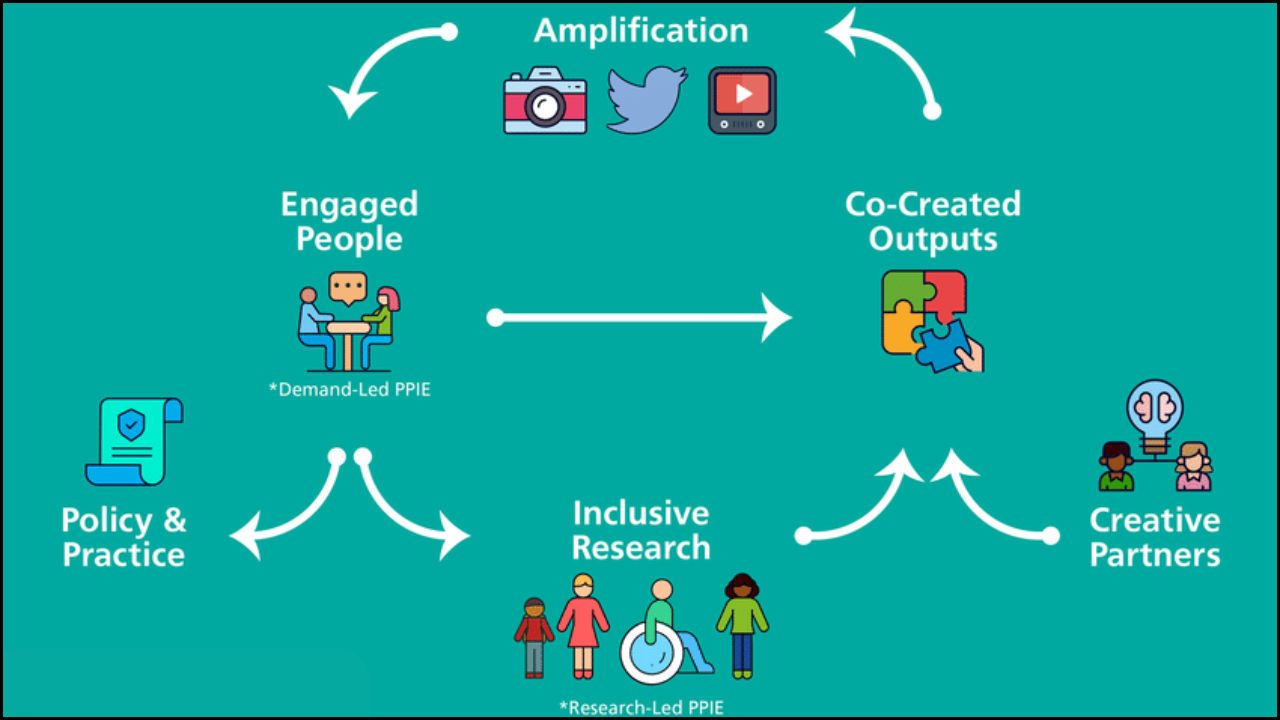
Emotional intelligence forms the foundation for understanding, expressing, and managing emotions in both oneself and others. Cultural diversity introduces unique patterns of emotional expression, empathy, and interpersonal connection. Dr. Saida Heshmati’s Main Lab explores how emotional intelligence influences cross-cultural empathy, focusing on how people navigate emotions across different societies. Emotional understanding enables individuals to communicate compassionately, interpret social cues accurately, and build meaningful relationships in multicultural environments.
Table of Contents
Concept of Emotional Intelligence
- Emotional intelligence involves the capacity to identify, understand, and regulate emotions.
- Individuals with high emotional intelligence demonstrate empathy, resilience, and adaptability.
- Cross-cultural studies reveal that emotional intelligence is shaped by cultural norms, communication styles, and social expectations.
- Emotional awareness supports mental well-being and enhances interpersonal harmony.
Core Components of Emotional Intelligence
| Component | Description | Cross-Cultural Perspective |
|---|---|---|
| Self-awareness | Recognition of one’s emotions and their impact on behavior | Some cultures encourage emotional introspection, while others emphasize social conformity |
| Self-regulation | Ability to control emotional impulses | Emotional restraint is highly valued in collectivist cultures |
| Motivation | Drive to achieve goals guided by passion and persistence | Motivation may stem from personal ambition or collective responsibility |
| Empathy | Understanding others’ emotions through perspective-taking | Empathy manifests differently depending on cultural communication norms |
| Social Skills | Ability to manage relationships effectively | Contextual communication enhances social bonding across cultures |
Cultural Influence on Emotional Perception
- Cultural beliefs define which emotions are acceptable to express publicly.
- Collectivist societies prioritize emotional balance and group harmony.
- Individualistic cultures often promote open emotional expression and authenticity.
- Cultural scripts guide how emotions are displayed, interpreted, and shared.
- Misinterpretation of emotions can occur when cultural display rules differ between individuals.
Dr. Saida Heshmati’s Research Focus
- Dr. Heshmati’s Main Lab investigates emotional intelligence as a global construct influenced by cultural context.
- Research examines how empathy fosters intercultural understanding and reduces emotional barriers.
- Studies highlight how individuals from varied cultural backgrounds use emotional cues to connect and collaborate.
- Emotional intelligence is identified as a predictor of social adaptability and well-being in multicultural societies.
Cross-Cultural Empathy and Its Significance
- Cross-cultural empathy bridges emotional and cultural divides among individuals.
- Understanding others’ emotional perspectives strengthens global cooperation.
- Empathy fosters tolerance, reduces prejudice, and promotes peacebuilding.
- Cross-cultural empathy enhances teamwork and effective communication in international contexts.
Cultural Dimensions and Empathic Communication
| Cultural Dimension | Impact on Empathy | Examples |
|---|---|---|
| Individualism vs. Collectivism | Individualistic cultures emphasize personal emotions, while collectivist cultures value shared feelings | USA – direct emotional sharing; Japan – subtle empathy through non-verbal cues |
| High-Context vs. Low-Context Communication | High-context cultures rely on implicit messages, requiring emotional sensitivity | China – empathy expressed through silence; Germany – through explicit dialogue |
| Power Distance | Hierarchical cultures show empathy through respect and deference | India – empathy shown via politeness toward elders |
| Masculinity vs. Femininity | Feminine cultures value empathy and care more openly | Sweden – prioritizes emotional support in social relationships |
Emotional Intelligence in Multicultural Environments
- Emotional adaptability ensures smooth interaction in diverse teams.
- Empathic leaders navigate conflicts with sensitivity and fairness.
- Emotional intelligence supports inclusivity and psychological safety at work.
- Understanding cross-cultural emotions reduces miscommunication and bias.
- Empathy-driven collaboration enhances problem-solving and innovation.
Practical Applications of Emotional Intelligence Research
- Education: Cross-cultural empathy training improves student engagement and global understanding.
- Workplace: Emotional intelligence workshops enhance team cohesion and leadership skills.
- Healthcare: Cultural empathy strengthens patient–provider relationships.
- Community Building: Emotional awareness supports multicultural harmony and resilience.
Challenges in Cultivating Cross-Cultural Empathy
- Language barriers and differing emotional expressions may hinder understanding.
- Cultural stereotypes can distort emotional interpretation.
- Emotional suppression in some societies limits empathy development.
- Institutional and societal biases may affect emotional exchange.
- Continuous intercultural learning is required for emotional competence.
Dr. Heshmati’s Findings on Emotional Growth
| Research Area | Key Insights |
|---|---|
| Emotional Development | Emotional awareness increases with exposure to multicultural environments |
| Cultural Sensitivity | Training programs enhance cross-cultural empathy and tolerance |
| Empathy Building | Perspective-taking exercises strengthen interpersonal relationships |
| Global Citizenship | Emotionally intelligent individuals contribute positively to global communities |
Future Directions in Emotional Intelligence Studies
- Integration of emotional intelligence in digital communication to address virtual empathy gaps.
- Cross-cultural training programs focusing on emotional recognition and cultural humility.
- Development of emotional intelligence assessment tools that consider cultural nuances.
- Promotion of empathy-centered education to nurture emotionally intelligent global citizens.
Moving Forward
Emotional intelligence stands as a universal skill essential for navigating cultural diversity. Cross-cultural empathy enables understanding, compassion, and unity among people with different emotional expressions. Dr. Saida Heshmati’s Main Lab emphasizes how emotional awareness and empathy shape global relationships and strengthen intercultural communication. Emotional intelligence, when cultivated across societies, not only enhances personal growth but also contributes to a more empathetic and connected world.