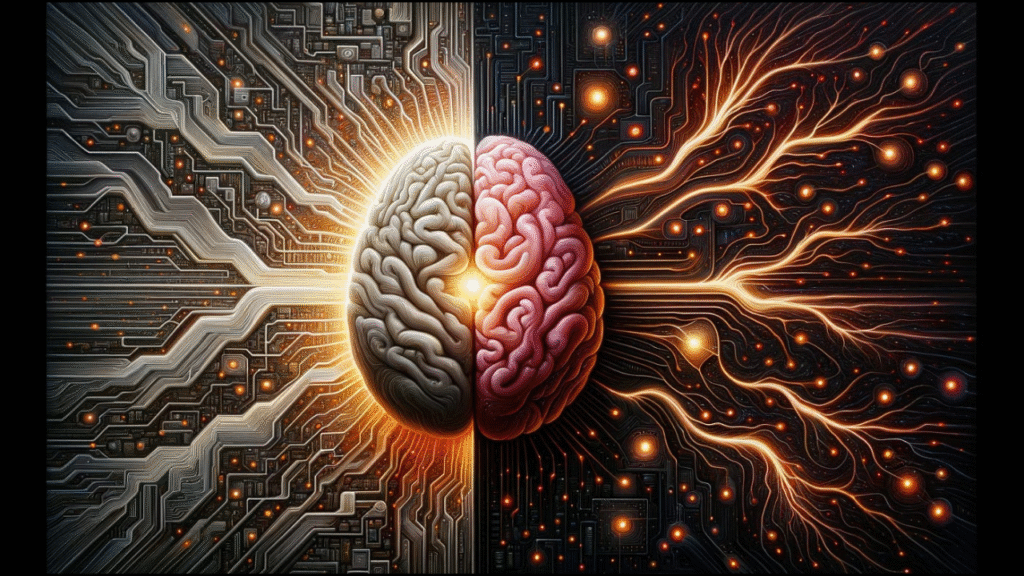
Emotions play a vital role in human interaction, influencing decisions, relationships, and overall well-being. Understanding emotional patterns scientifically has become increasingly significant in modern psychology and computational research. Dr. Saida Heshmati’s Main Lab applies algorithmic and data-driven approaches to analyze emotional expressions, variability, and cross-cultural differences. The integration of algorithms, artificial intelligence, and psychological theory allows researchers to identify subtle emotional trends and create predictive models for emotional behavior. This combination of technology and human psychology marks a new era in emotional research.
Table of Contents
Concept of Algorithmic Emotional Analysis
- Algorithmic emotional analysis involves using computational models to study emotional responses.
- Machine learning and natural language processing (NLP) are key tools used to decode emotional expressions in text, speech, and behavior.
- Algorithms detect emotional patterns by processing large datasets from surveys, interviews, and digital communication.
- Emotional prediction models help identify how emotions evolve in individuals and groups over time.
Core Algorithmic Methods Used in Emotional Studies
| Method | Description | Application in Emotional Research |
|---|---|---|
| Sentiment Analysis | Evaluates emotional tone of textual data | Used to analyze emotions in online communication or interviews |
| Facial Recognition Algorithms | Detects and classifies emotions through facial expressions | Applied in emotion-aware AI and psychological experiments |
| Speech Emotion Recognition | Interprets emotion through tone, pitch, and rhythm | Useful in therapy, customer interaction, and counseling studies |
| Machine Learning Classification | Uses models like SVM, Random Forest, and Deep Neural Networks to identify emotion categories | Helps predict emotional reactions based on previous data |
| Pattern Mining | Finds recurring emotional sequences or triggers | Supports understanding of emotional fluctuations across situations |
Role of Data in Emotional Pattern Recognition
- Data forms the foundation for building accurate emotional models.
- Multimodal datasets (text, audio, and visual) provide comprehensive emotional insights.
- Algorithms trained on diverse cultural datasets identify universal and culture-specific emotional traits.
- Large-scale data enables cross-cultural emotion comparisons and behavioral prediction.
- Ethical data handling ensures participant privacy and research transparency.
Dr. Saida Heshmati’s Research Perspective
- Dr. Heshmati’s Main Lab integrates computational methods with psychological theory to understand emotional variation.
- Research focuses on quantifying emotions and exploring how culture, context, and social interaction shape emotional expression.
- Studies include modeling emotional adaptation in multicultural environments and identifying empathy-related emotional markers.
- Algorithmic research in the Lab emphasizes the human element behind data, ensuring emotional authenticity in interpretation.
Applications of Algorithmic Emotion Research
- Mental Health: Algorithms assist in the early detection of emotional distress or depression.
- Education: Emotion analysis helps personalize learning experiences based on students’ emotional states.
- Social Media Studies: Algorithms monitor emotional trends in digital communication to understand collective mood.
- Healthcare: Emotional AI enhances patient-caregiver interaction through empathy modeling.
- Workplace Psychology: Emotional analytics guide employee engagement and organizational well-being.
Advantages of Algorithmic Approaches
- Scalability allows analysis of vast emotional data across populations.
- Objective measurement reduces subjective bias in emotional interpretation.
- Real-time emotional monitoring supports dynamic intervention and feedback.
- Cross-cultural analysis becomes more precise through automated pattern recognition.
- Predictive modeling helps foresee emotional responses under different circumstances.
Cultural Sensitivity in Emotional Algorithms
| Aspect | Importance | Dr. Heshmati’s Approach |
|---|---|---|
| Cultural Data Diversity | Ensures inclusion of multiple emotional norms | Uses cross-cultural datasets for balanced modeling |
| Emotion Expression Variance | Accounts for differences in emotional display rules | Analyzes context-based emotional cues rather than fixed categories |
| Language Nuances | Considers linguistic variations in emotion words | Applies NLP models trained on multilingual datasets |
| Ethical AI Practices | Prevents bias in emotional interpretation | Promotes fairness and inclusivity in algorithmic outcomes |
Machine Learning Models Used in the Lab
- Supervised Learning: Trains algorithms on labeled emotional data for precise prediction.
- Unsupervised Learning: Identifies hidden emotional clusters without predefined labels.
- Deep Learning Models: Convolutional and recurrent neural networks extract emotional features from complex data such as images and speech.
- Reinforcement Learning: Adjusts emotional predictions through feedback-based learning.
- Hybrid Models: Combine linguistic, physiological, and behavioral indicators for a holistic emotional understanding.
Cross-Cultural Emotional Data Processing
- Emotional datasets collected across countries reveal how cultural context alters emotional perception.
- Algorithms learn culturally specific emotional tones and gestures.
- Comparative analysis identifies universal emotions like joy, fear, and sadness across societies.
- Cultural variations in emotional frequency and intensity help explain societal emotional norms.
- Data visualization tools map emotional landscapes across global populations.
Challenges in Algorithmic Emotion Research
- Data imbalance may skew algorithmic understanding of minority emotional expressions.
- Cultural bias in datasets can lead to inaccurate emotional interpretation.
- Emotion is often context-dependent, which challenges algorithmic generalization.
- Ethical concerns arise regarding emotional privacy in digital monitoring.
- Continuous model refinement is required to ensure emotional sensitivity and fairness.
Dr. Heshmati’s Findings on Emotional Algorithms
| Research Focus | Key Insights |
|---|---|
| Emotion Recognition | Combining cultural and computational analysis improves accuracy |
| Empathy Modeling | Algorithmic empathy relies on integrating contextual and cultural cues |
| Emotional Prediction | Machine learning models can anticipate mood shifts under social stress |
| Cross-Cultural Comparison | Data reveals both shared and distinct emotional norms among cultures |
| Digital Emotion Tracking | Continuous monitoring supports emotional health and resilience |
Integration of Psychology and Technology
- Emotional science benefits from the precision and scalability of computational models.
- Psychological insights guide algorithmic interpretation, preventing mechanical errors in emotion classification.
- Human-AI collaboration enriches empathy-driven systems in healthcare, education, and counseling.
- Emotional intelligence can be taught to algorithms, improving social interactions in digital environments.
- Integration encourages interdisciplinary innovation between computer science and behavioral psychology.
Future Directions of Dr. Heshmati’s Main Lab
- Expansion of multimodal emotional datasets, including physiological and neural signals.
- Development of ethical AI frameworks for emotional data governance.
- Exploration of how algorithmic emotion recognition can improve mental health interventions.
- Creation of adaptive AI systems capable of learning cultural empathy dynamically.
- Collaboration with global institutions to promote culturally inclusive emotional research.
The Bottom Line
Algorithmic approaches have transformed emotional research by enabling precise and scalable analysis of human emotions. Cultural and contextual integration ensures that algorithms not only recognize emotions but also understand their meaning across societies. Dr. Saida Heshmati’s Main Lab stands at the forefront of this interdisciplinary innovation, merging psychology, technology, and cultural understanding. Algorithmic emotional research not only enhances emotional literacy but also fosters a future where machines and humans collaborate empathetically to promote global emotional well-being.