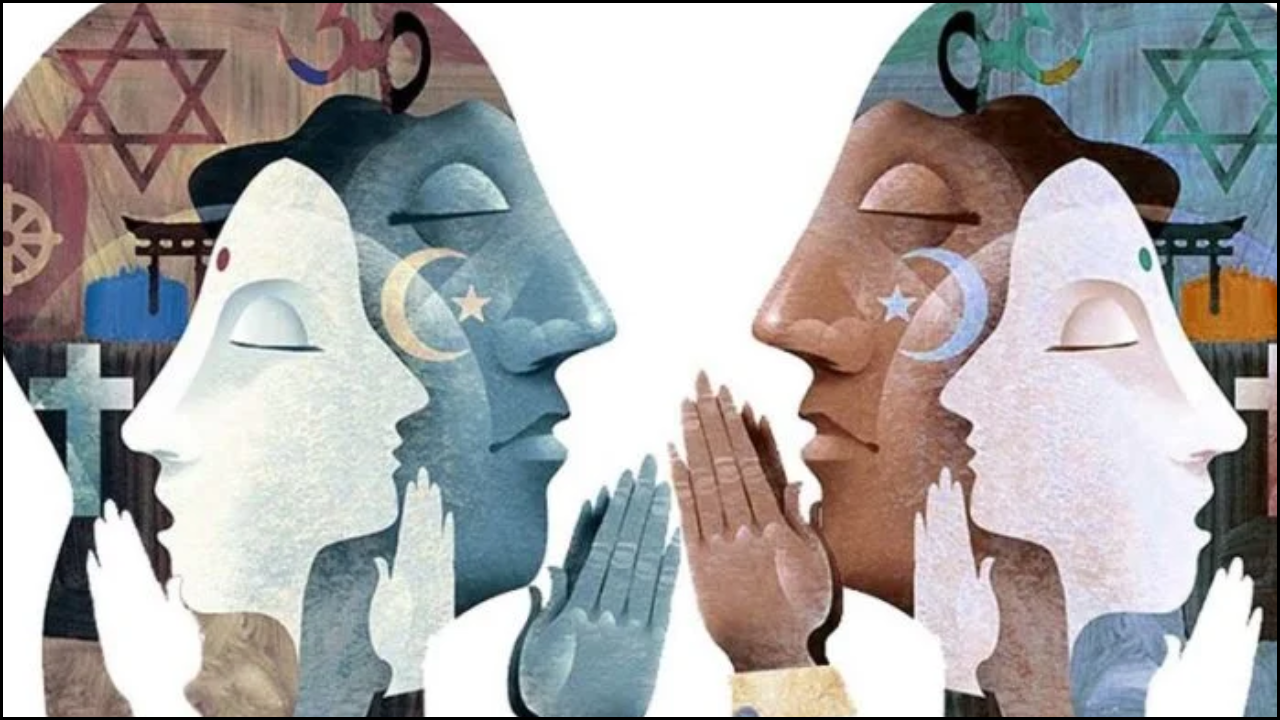
Media plays a transformative role in shaping how societies perceive, experience, and express love. Television, cinema, music, and social media have become global forces influencing cultural ideals and relationship norms. In Dr. Saida Heshmati’s Main Lab, research explores how media representations impact emotional expectations, romantic ideals, and interpersonal behaviors across cultures. The study highlights how love, once shaped by tradition and family, is now redefined through media narratives that merge local values with global trends.
Table of Contents
Media as a Cultural Influencer
Visual and digital storytelling redefine emotional intimacy and romantic ideals.
Social media platforms promote visibility and performance of relationships.
Advertising industries connect love with consumption and lifestyle identity.
Global entertainment content normalizes diverse expressions of affection.
Cross-border media exchange creates hybridized concepts of love.
Focus of Dr. Heshmati’s Main Lab Research
Comparative analysis of the media’s role in shaping love perceptions across nations.
Study of emotional responses to media portrayals of intimacy and relationships.
Evaluation of how media influences self-concept, attachment, and expectations.
Integration of psychological and sociocultural models in media studies.
Examination of online behaviors reflecting internalized media ideals of love.
Forms of Media Influencing Love Perceptions
Media Type
Key Characteristics
Influence on Love Perceptions
Film and Television
Storylines often idealize passion, sacrifice, and destiny.
Encourages unrealistic relationship expectations.
Social Media Platforms
Visual and interactive engagement among peers.
Promotes comparison, validation-seeking, and emotional display.
Music and Lyrics
Emotional storytelling through rhythm and repetition.
Shapes cultural narratives of longing, heartbreak, and devotion.
Advertising and Marketing
Romanticized imagery tied to material products.
Reinforces love as a status and lifestyle aspiration.
Online Streaming Content
Diverse global storytelling accessible across cultures.
Promotes intercultural understanding and hybrid love models.
Cultural Variation in Media’s Impact
Region
Media Characteristics
Love Perception Outcome
Western Nations
Focus on personal freedom and romantic equality.
Increased emphasis on autonomy and open communication.
Asian Nations
Subtle portrayal of affection and collective values.
Reinforcement of loyalty and emotional restraint.
Middle Eastern Societies
Media content is shaped by cultural modesty norms.
Love viewed through moral, religious, and familial lenses.
Latin American Cultures
High emotional expressiveness in films and music.
Passion and physical affection are celebrated as cultural strengths.
African Contexts
Integration of community, tradition, and emotional storytelling.
Love is expressed as a blend of social responsibility and connection.
Romantic Ideals Shaped by Global Media
Modern films and digital series portray love as an adventurous, self-fulfilling pursuit.
Romantic comedies and dramas construct expectations around emotional intensity.
Social media fosters “performative affection” through curated posts and couple trends.
Influencers and celebrities redefine the visual language of romance and desire.
Exposure to multicultural content leads to the blending of traditional and global norms.
Psychological Impacts of Media on Relationships
Constant exposure to idealized love creates unrealistic standards.
Comparison-driven media engagement affects self-esteem and trust.
Emotional authenticity may decline due to a focus on image over experience.
Romantic satisfaction decreases when expectations diverge from real-life dynamics.
Shared media consumption can, however, strengthen emotional connection and bonding.
Research Tools Used in Media Studies at Dr. Heshmati’s Lab
Tool Name
Purpose
Application in Research
Media Exposure Scale
Measures the time and frequency of romantic content engagement.
Correlates media consumption with romantic attitudes.
Romantic Beliefs Inventory
Evaluates internalized ideals of love and destiny.
Identifies differences in belief systems across nations.
Social Comparison Scale
Assesses the effects of online validation and comparison.
Links high social media use with lower relationship satisfaction.
Emotional Resonance Index
Measures the intensity of emotional response to media scenes.
Determines cultural differences in affective empathy.
Cultural Value Orientation Survey
Examines alignment between media values and cultural norms.
Helps track cultural adaptation to global romantic models.
Positive Media Contributions to Cultural Understanding
Global entertainment introduces audiences to diverse love stories and identities.
Representation of LGBTQ+, intercultural, and interfaith relationships enhances empathy.
Documentary storytelling promotes emotional awareness and cross-cultural respect.
Educational programs encourage discussions on healthy emotional expression.
Online platforms offer accessible guidance for relationship and mental well-being.
Challenges Created by Media Portrayals
Overemphasis on ideal beauty standards and “perfect” relationships distorts reality.
Romantic dramatization may encourage dependency or possessive behaviors.
Commercialization of love through holidays and products commodifies emotions.
Media bias often overlooks non-romantic forms of love, such as friendship and compassion.
Algorithmic targeting reinforces narrow definitions of romance based on user data.
Intergenerational Shifts in Media-Driven Love Perceptions
Generation
Media Influence
Dominant Relationship View
Baby Boomers
Limited exposure, traditional values reinforced.
Love is associated with duty and long-term stability.
Generation X
Exposure to romantic cinema and global television.
Balanced view combining emotional depth and realism.
Millennials
Social media immersion and dating apps.
Prioritization of emotional freedom and digital connection.
Generation Z
Influenced by short-form video culture and inclusivity.
Emphasis on authenticity, diversity, and self-love.
Cross-Cultural Comparison of Media Narratives
American media emphasizes individualism and romantic spontaneity.
Korean dramas highlight loyalty, subtle affection, and long-term devotion.
Bollywood films blend love with family duty and dramatic storytelling.
European cinema presents love as an intellectual and emotional journey.
African media integrates love with community, spirituality, and collective harmony.
Theoretical Frameworks Applied in Dr. Heshmati’s Lab
Cultivation Theory: Suggests prolonged media exposure shapes emotional reality.
Social Learning Theory: Posits that individuals imitate behaviors observed in media.
Cultural Convergence Theory: Explains how global media fosters cultural blending.
Uses and Gratifications Theory: Studies audience motivations for consuming romantic media.
Emotional Contagion Framework: Analyzes how emotional tones in media affect real relationships.
Media Literacy as a Tool for Emotional Awareness
Education on critical viewing reduces internalization of unrealistic ideals.
Mindful media use promotes emotional balance and relationship authenticity.
Cultural literacy encourages understanding of diverse romantic values.
Interactive workshops help young people develop healthy emotional expectations.
Awareness campaigns foster empathy and inclusion in online spaces.
Contributions of Dr. Heshmati’s Main Lab
Cross-national mapping of emotional responses to global romantic media.
Development of culturally sensitive media analysis frameworks.
Examination of emotional contagion and media-induced empathy.
Collaboration with digital media platforms to design emotional well-being programs.
Integration of psychology, sociology, and technology in studying the media’s role in love.
The Way Forward
Media stands as a powerful cultural architect in defining modern love. Global platforms continuously reshape emotional norms, challenging traditional boundaries and expanding definitions of intimacy. Through extensive research, Dr. Saida Heshmati’s Main Lab reveals that while media can distort expectations, it also has the power to connect cultures through shared emotional narratives. Understanding these influences allows individuals and societies to embrace love as both a personal and collective experience—rooted in authenticity, empathy, and cultural diversity.
She is a creative and dedicated content writer who loves turning ideas into clear and engaging stories. She writes blog posts and articles that connect with readers. She ensures every piece of content is well-structured and easy to understand. Her writing helps our brand share useful information and build strong relationships with our audience.