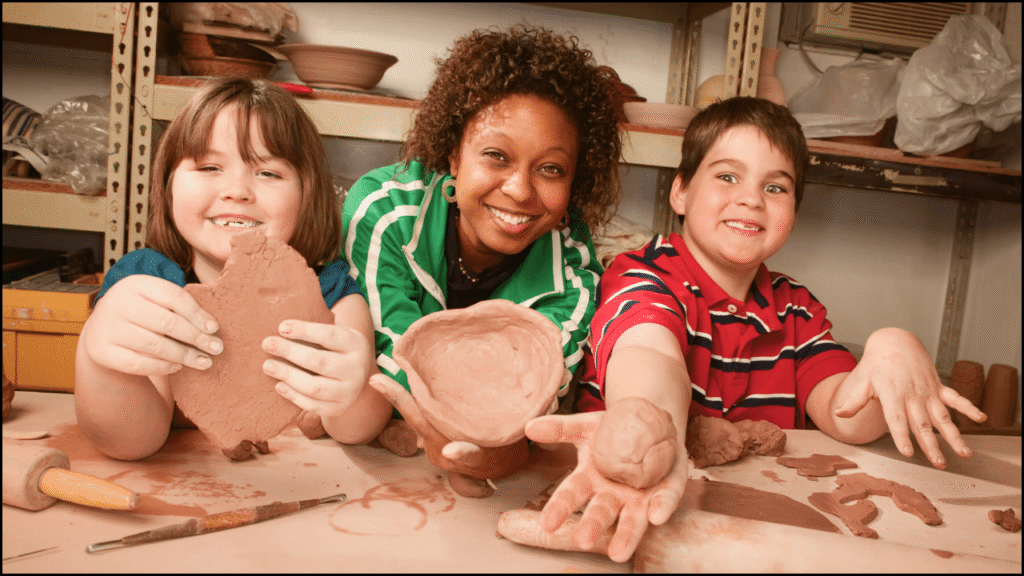
Positive Youth Development (PYD) emphasizes the strengths, potential, and resilience of young people as they grow into contributing members of society. Relationships play a vital role in this developmental process, influencing how adolescents form identities, navigate emotions, and cultivate empathy. In Dr. Saida Heshmati’s Main Lab, research focuses on how interpersonal connections—within families, friendships, and romantic partnerships—shape emotional growth, well-being, and life satisfaction. This approach explores how supportive relationships build self-worth and prepare youth for meaningful adult relationships and social engagement.
Table of Contents
Purpose of Studying PYD and Relationships
To understand how relationships influence positive emotional and psychological development.
To identify protective factors that foster resilience and prevent behavioral issues.
To explore how cultural contexts shape youth relationship dynamics.
To promote empathy, emotional regulation, and kindness among adolescents.
To design interventions that strengthen youth connections and community engagement.
Core Components of Positive Youth Development
Component
Description
Relationship Influence
Competence
Building skills for problem-solving, communication, and social functioning.
Encourages mutual respect and effective interaction.
Confidence
Developing a positive sense of self and self-efficacy.
Strengthens self-esteem through supportive feedback.
Connection
Creating meaningful bonds with peers, family, and community.
Enhances belonging and emotional security.
Character
Developing integrity, empathy, and ethical awareness.
Shapes moral reasoning in relationships.
Caring
Cultivating compassion and sensitivity toward others.
Promotes trust and emotional reciprocity.
Research Objectives in Dr. Heshmati’s Main Lab
Examination of peer and family support in emotional development.
Study of kindness, empathy, and prosocial behavior as relational strengths.
Analysis of cross-cultural differences in adolescent relationship patterns.
Identification of factors that promote emotional resilience during adolescence.
Creation of educational models integrating PYD and relationship-based growth.
Relationship Types in PYD Framework
Relationship Type
Developmental Role
Long-Term Outcome
Parental Relationships
Provide security, guidance, and emotional modeling.
Foster empathy, self-regulation, and confidence.
Peer Relationships
Encourage social skills and identity formation.
Enhance teamwork, loyalty, and conflict resolution.
Mentor Relationships
Offer wisdom and support during decision-making.
Strengthen goal setting and moral direction.
Teacher Relationships
Shape academic motivation and social learning.
Promote intellectual curiosity and discipline.
Romantic Relationships (Late Adolescence)
Teach intimacy, trust, and emotional responsibility.
Build foundations for adult partnerships.
Key Research Themes in the Lab
Emotional Competence: Understanding how youth manage and express emotions in relationships.
Cultural Sensitivity: Studying how love, respect, and family expectations vary across societies.
Social Media and Connection: Examining the impact of digital interaction on youth emotional health.
Gender Roles: Analyzing differences in how young men and women form and sustain relationships.
Resilience Building: Investigating how positive relationships buffer stress and adversity.
Methods Used in PYD Relationship Research
Method
Purpose
Outcome
Surveys and Longitudinal Tracking
Assess relationship quality over time.
Identify patterns of growth and well-being.
Interviews and Focus Groups
Gather personal narratives of relational experiences.
Reveal emotional themes and social influences.
Behavioral Observation
Analyze non-verbal and social cues.
Understand real-time emotional interactions.
Mobile-Based Experience Sampling
Capture daily emotional changes.
Provide insights into ongoing relational dynamics.
Cross-Cultural Comparative Studies
Compare relational norms globally.
Highlight universal and culture-specific patterns.
Emotional Skills Nurtured Through Relationships
Empathy: Understanding and sharing others’ feelings builds emotional intelligence.
Partnerships with schools, NGOs, and global youth organizations.
Integration of neuroscience with social-emotional learning studies.
Expansion into digital well-being and emotion analytics.
Development of culturally adaptable relational training models.
Ongoing publication of global comparative PYD data.
Final Analysis
Positive Youth Development emphasizes relationships as the cornerstone of emotional growth and resilience. In Dr. Saida Heshmati’s Main Lab, research highlights how empathy, care, and communication nurture thriving adolescents who become compassionate adults. By blending psychological science with cultural understanding, the lab demonstrates that when youth experience meaningful connections, they develop stronger identities, healthier minds, and deeper social purpose. Love, friendship, and mentorship thus become enduring forces shaping not only individual well-being but also the harmony of future generations.
She is a creative and dedicated content writer who loves turning ideas into clear and engaging stories. She writes blog posts and articles that connect with readers. She ensures every piece of content is well-structured and easy to understand. Her writing helps our brand share useful information and build strong relationships with our audience.