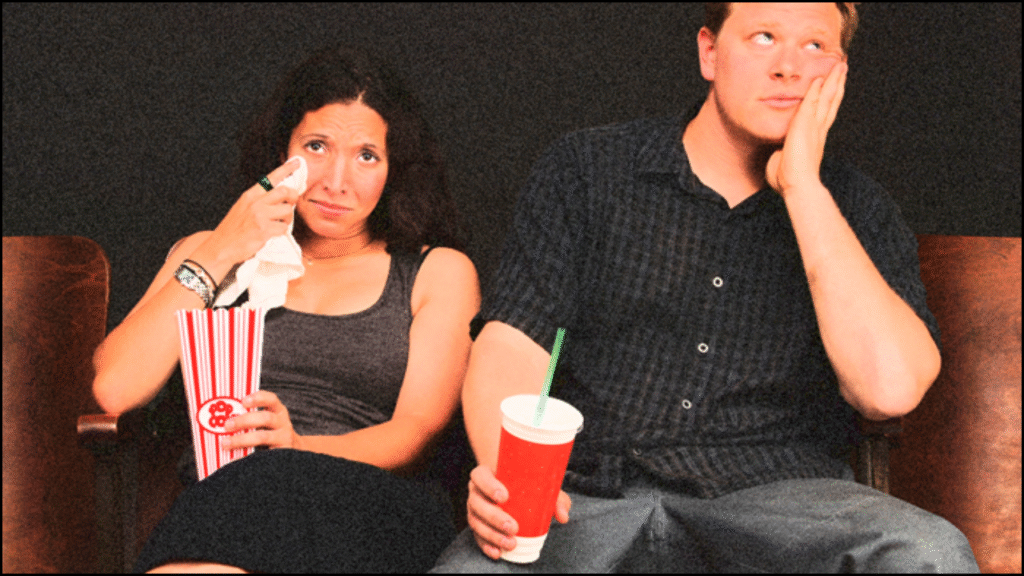
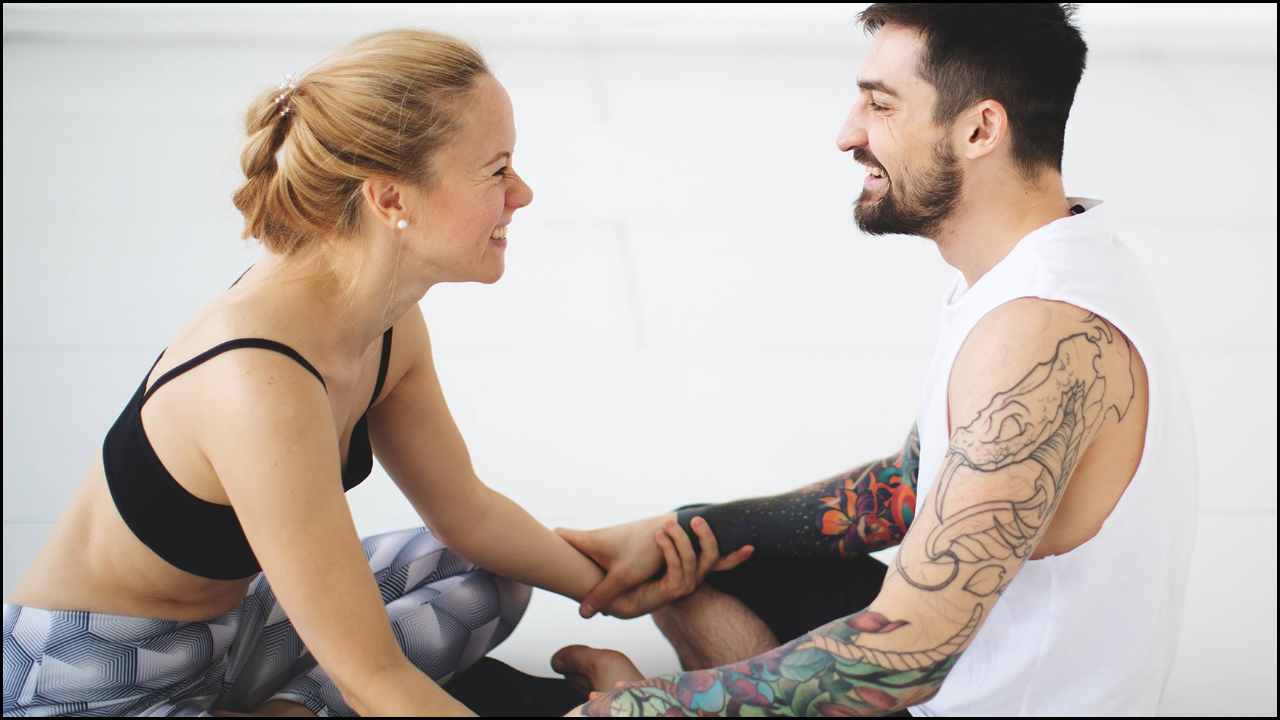
Emotional expression serves as a key component of human communication, reflecting both biological tendencies and cultural influences. Gender plays an important role in shaping how individuals experience, express, and regulate emotions across various contexts. In Dr. Saida Heshmati’s Main Lab, researchers explore how men and women differ in emotional expression and how these variations are influenced by societal expectations, upbringing, and cultural norms. The lab’s studies combine psychological, sociocultural, and behavioral perspectives to understand the mechanisms behind gender-based emotional behaviors and their effects on relationships, well-being, and identity.
Table of Contents
Purpose of Studying Gender Differences in Emotional Expression
To understand the role of gender in shaping emotional communication and empathy.
To identify how socialization processes influence expression patterns in men and women.
To explore cross-cultural variations in emotional norms and expectations.
To examine how emotional expression impacts interpersonal relationships and well-being.
To inform educational and workplace interventions promoting emotional balance.
Core Areas of Investigation in the Lab
Research Focus
Key Objective
Application
Biological Factors
Study hormonal and neurological influences on emotion.
Understand innate emotional tendencies.
Socialization Patterns
Examine how gender roles shape emotion learning.
Design emotional education programs.
Cultural Influences
Analyze how cultural expectations impact expression.
Develop culturally adaptive emotional training.
Interpersonal Communication
Investigate expression in family, friendship, and romantic contexts.
Improve relational understanding and empathy.
Workplace and Education
Explore emotional expression in professional environments.
Enhance leadership and teamwork through emotional awareness.
Gender-Based Emotional Expression Patterns
Emotion Type
Typical Female Expression
Typical Male Expression
Cultural Interpretation
Sadness
More openly expressed and discussed.
Often suppressed or hidden.
Linked with perceived strength or vulnerability.
Anger
Expressed verbally or emotionally.
Expressed physically or assertively.
Often influenced by gender stereotypes.
Fear
Shared more frequently and with emotional support.
Managed internally or masked with confidence.
Viewed through cultural definitions of bravery.
Happiness
Freely expressed through facial and social cues.
Moderately expressed, context-dependent.
Associated with social warmth and approachability.
Love and Affection
Verbally communicated and emotionally detailed.
Displayed through actions rather than words.
Cultural norms determine appropriate expression.
Key Findings from Dr. Heshmati’s Main Lab
Women generally demonstrate higher emotional awareness and expressiveness.
Men often display emotional restraint due to societal expectations.
Empathy and nonverbal sensitivity are found to be stronger among women.
Cultural conditioning influences how acceptable certain emotions are for each gender.
Emotional intelligence training can balance expressive tendencies across genders.
Biological and Neurological Influences
Hormonal differences: Estrogen and oxytocin promote emotional sensitivity and bonding, while testosterone affects aggression and suppression.
Brain lateralization: Women tend to have stronger connectivity between emotional and verbal centers, leading to better emotional articulation.
Stress responses: Men often engage in “fight or flight” reactions, while women may prefer “tend and befriend” strategies.
Genetic predispositions: Evolutionary psychology links emotional expression to gender-specific adaptive functions such as nurturing or protection.
Neural imaging: Studies reveal gender variance in amygdala activation during emotional stimuli.
Socialization and Gender Norms
Developmental Stage
Social Expectations
Emotional Outcome
Childhood
Boys are encouraged to be strong; girls are encouraged to be caring.
Early emotional differentiation begins.
Adolescence
Peer and media influence reinforces gender norms.
Boys hide vulnerability; girls seek emotional support.
Adulthood
Workplace and family roles continue to shape expression.
Expansion of emotional pattern studies using AI-based facial and voice recognition.
Longitudinal tracking of emotional development from adolescence to adulthood.
Cross-cultural partnerships to examine emotion across global societies.
Inclusion of nonbinary and gender-diverse emotional expressions.
Development of universal emotional literacy frameworks.
End Notes
Gender differences in emotional expression highlight the interplay between biology, culture, and socialization. In Dr. Saida Heshmati’s Main Lab, research demonstrates that while men and women differ in how they express emotions, these variations are fluid and influenced by cultural evolution. Understanding these dynamics enhances empathy, equality, and relational harmony. The lab’s studies emphasize that emotional authenticity, regardless of gender, leads to stronger relationships, improved well-being, and greater social cohesion across societies.
She is a creative and dedicated content writer who loves turning ideas into clear and engaging stories. She writes blog posts and articles that connect with readers. She ensures every piece of content is well-structured and easy to understand. Her writing helps our brand share useful information and build strong relationships with our audience.