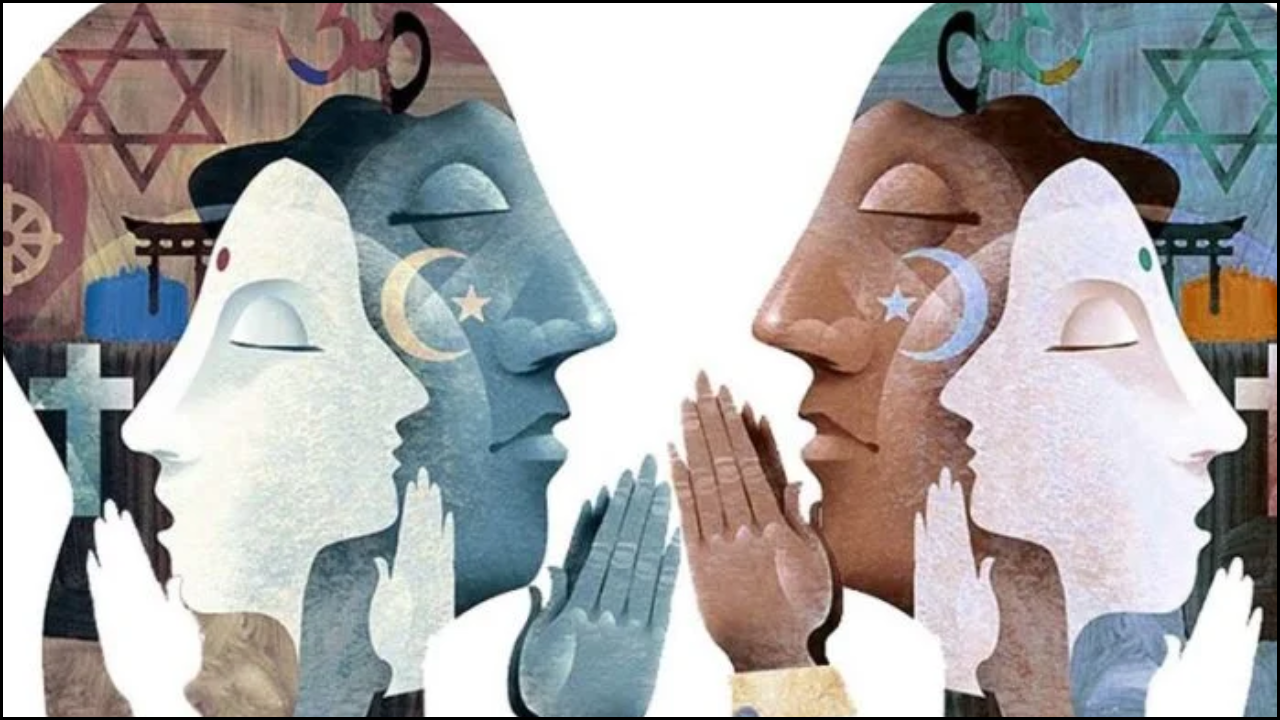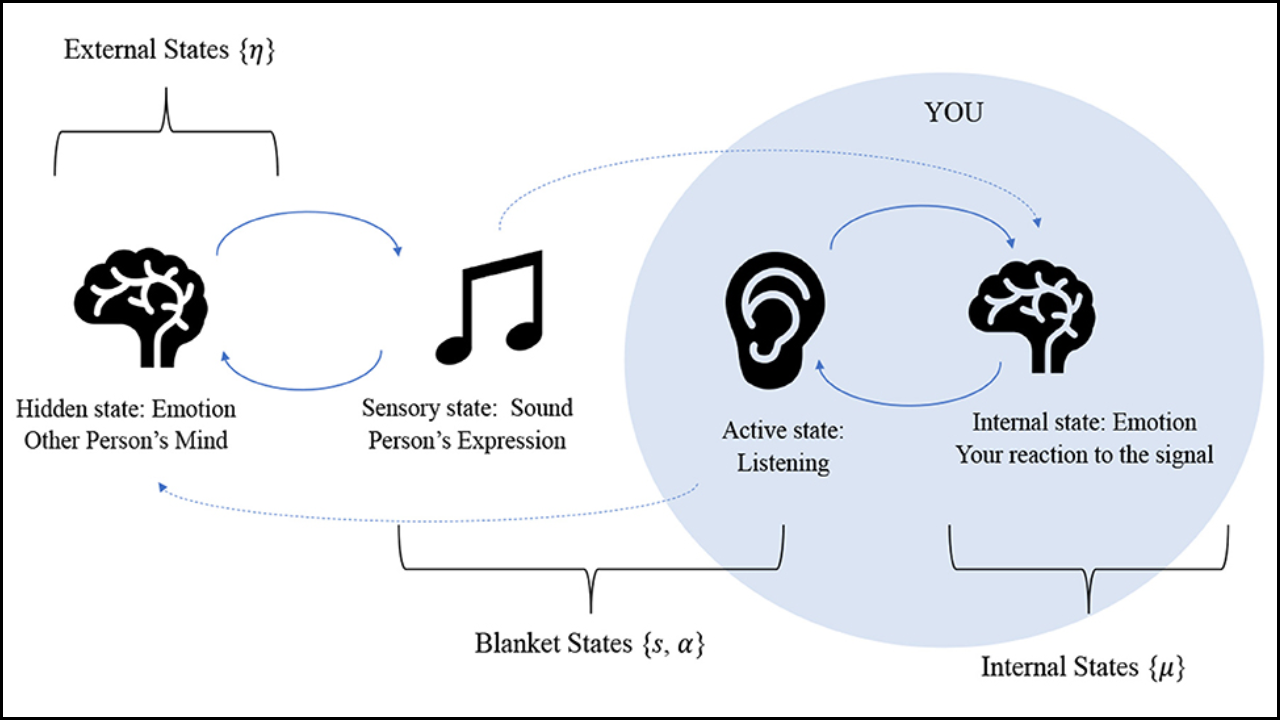
Romantic expectations are deeply influenced by cultural norms that define how love should be expressed, pursued, and maintained. Every culture carries its own unwritten rules about affection, gender roles, commitment, and partnership. These norms shape how individuals experience emotions, communicate desires, and evaluate relationships. Dr. Saida Heshmati’s Main Lab explores how these cultural frameworks affect the psychology of love and relationship satisfaction, examining both universal and society-specific patterns. Through global studies, interviews, and quantitative assessments, the lab investigates how cultural expectations guide romantic ideals and behaviors across regions and generations.
Table of Contents
Understanding Cultural Norms in Romance
- Cultural values establish expectations for emotional expression, relationship timelines, and marital roles.
- Traditions and rituals dictate how courtship and commitment unfold in different societies.
- Religious beliefs influence moral perspectives on love, intimacy, and marriage.
- Family structures define acceptable partners and relationship practices.
- Modernization and globalization reshape romantic ideals by blending traditional and contemporary expectations.
Core Areas of Research in Dr. Heshmati’s Main Lab
| Focus Area | Description | Example of Study Theme |
|---|---|---|
| Cultural Variations in Love Expression | Examines differences in verbal and non-verbal romantic communication. | Emotional display rules in Eastern vs. Western contexts. |
| Societal Scripts for Romance | Studies culturally defined steps in courtship and marriage. | Traditional arranged marriage vs. self-selected partnerships. |
| Gender Roles in Romantic Relationships | Analyzes expectations tied to masculinity and femininity. | Shifting gender norms and equality in dating practices. |
| Family and Community Influence | Explores how social expectations guide partner choice. | Familial approval and intergenerational beliefs. |
| Globalization’s Impact on Love Norms | Investigates modern exposure to diverse relationship models. | Cross-cultural blending of romantic ideals through media. |
Examples of Cultural Norms Shaping Romantic Ideals
- Western societies emphasize individual choice, emotional transparency, and equality between partners.
- Eastern societies prioritize harmony, respect, and social approval in romantic unions.
- Middle Eastern cultures often align romance with family honor and religious boundaries.
- African traditions associate relationships with community welfare and shared responsibility.
- Latin American cultures value passion, loyalty, and expressive affection.
Psychological Mechanisms Behind Cultural Influence
- Internalization of social expectations shapes one’s view of ideal love and commitment.
- Cultural conformity motivates individuals to align their behavior with societal norms.
- Social learning transmits romantic ideals through observation and storytelling.
- Cognitive dissonance occurs when personal desires conflict with traditional expectations.
- Acculturation alters romantic values among immigrants, balancing multiple cultural identities.
Lab Research Approaches to Studying Romantic Norms
| Methodology | Purpose | Outcome |
|---|---|---|
| Cross-Cultural Surveys | Gather perceptions of ideal relationships from diverse groups. | Identify universal vs. culture-specific expectations. |
| Ethnographic Interviews | Collect narratives of love and family influence. | Deep understanding of romantic norms within context. |
| Experimental Studies | Observe behavioral differences in dating or communication. | Insights into cultural conditioning of emotional expression. |
| Digital Sentiment Analysis | Analyze language patterns in online romantic expressions. | Discover emerging global trends in love communication. |
| Comparative Longitudinal Studies | Track changes in romantic norms over generations. | Understand societal evolution in love expectations. |
Influence of Media and Technology on Romantic Norms
- Global media exposure promotes Westernized ideals of love and independence.
- Social media platforms redefine intimacy, allowing public expressions of affection.
- Online dating culture challenges traditional match-making norms.
- Film and television narratives shape expectations for passion and lifelong romance.
- Digital communication fosters new languages of love, emojis, voice notes, and virtual intimacy.
Challenges in Cross-Cultural Understanding of Romantic Expectations
- Cultural bias in interpreting romantic behaviors through a single cultural lens.
- Stereotyping of relationship styles as “modern” or “traditional.”
- Generational conflicts between elders’ expectations and youth’s autonomy.
- Religious conservatism restricts open discussion about romantic experiences.
- Urbanization is causing shifts from collective to individualistic relationship ideals.
Comparative Overview of Romantic Norms
| Region | Dominant Romantic Value | Common Expectation | Emerging Change |
|---|---|---|---|
| North America | Emotional honesty and equality | Open dating and mutual decision-making | Rise of digital relationships and delayed marriage. |
| East Asia | Duty and respect in relationships | Parental involvement and harmony | Increased independence in partner selection. |
| Middle East | Family-centered romance | Alignment with religious customs | Gradual acceptance of emotional autonomy. |
| Sub-Saharan Africa | Community-based affection | Partnership as a collective responsibility | Blending traditional and modern romantic narratives. |
| Europe | Partnership and shared goals | Egalitarian relationships | Growth of non-traditional cohabitation. |
Lab Insights on Cultural Transformation in Love
- Evidence shows romantic expectations are adapting to global influences while retaining cultural essence.
- Emotional communication styles evolve as exposure to diverse media increases.
- Intercultural relationships challenge traditional norms and promote tolerance.
- Youth populations act as agents of cultural change in redefining relationship expectations.
- Hybrid romantic cultures emerge, mixing traditional family values with personal freedom.
Educational and Outreach Programs by the Lab
- Workshops on cultural sensitivity in relationships for students and professionals.
- Collaborations with international institutions to study evolving love practices.
- Public seminars on global love narratives and emotional health.
- Digital projects to visualize data on cultural differences in romantic beliefs.
- Community discussions encourage dialogue about changing love expectations.
Theoretical Contributions of Dr. Heshmati’s Research
- Introduction of the Cultural Love Expectation Model (CLEM), combining psychology, sociology, and anthropology.
- Development of an Intercultural Relationship Framework to study adaptation and conflict resolution.
- Application of Dynamic Network Analysis to observe evolving romantic interactions in multicultural settings.
- Integration of AI and emotion analysis tools to detect cultural nuances in online romantic language.
- Expansion of cross-generational research to understand shifting love values within families.
Future Directions of Study
- Examination of cross-cultural relationship resilience amid societal transitions.
- Analysis of AI-mediated romantic interactions and their ethical implications.
- Creation of global datasets on romantic norms for comparative studies.
- Exploration of intersectional identities (gender, culture, and religion) in love expectations.
- Promotion of inclusive romantic education for intercultural empathy.
Closing Perspectives
Cultural norms profoundly shape how individuals define, pursue, and sustain romantic relationships. The work of Dr. Saida Heshmati’s Main Lab highlights the interplay between cultural identity, emotional expectations, and relational satisfaction. By studying diverse expressions of love, the lab fosters understanding across societies and emphasizes that while romantic ideals differ, the human desire for connection remains universal. The research continues to inspire dialogue on how cultural awareness can enhance empathy, respect, and harmony in modern relationships.