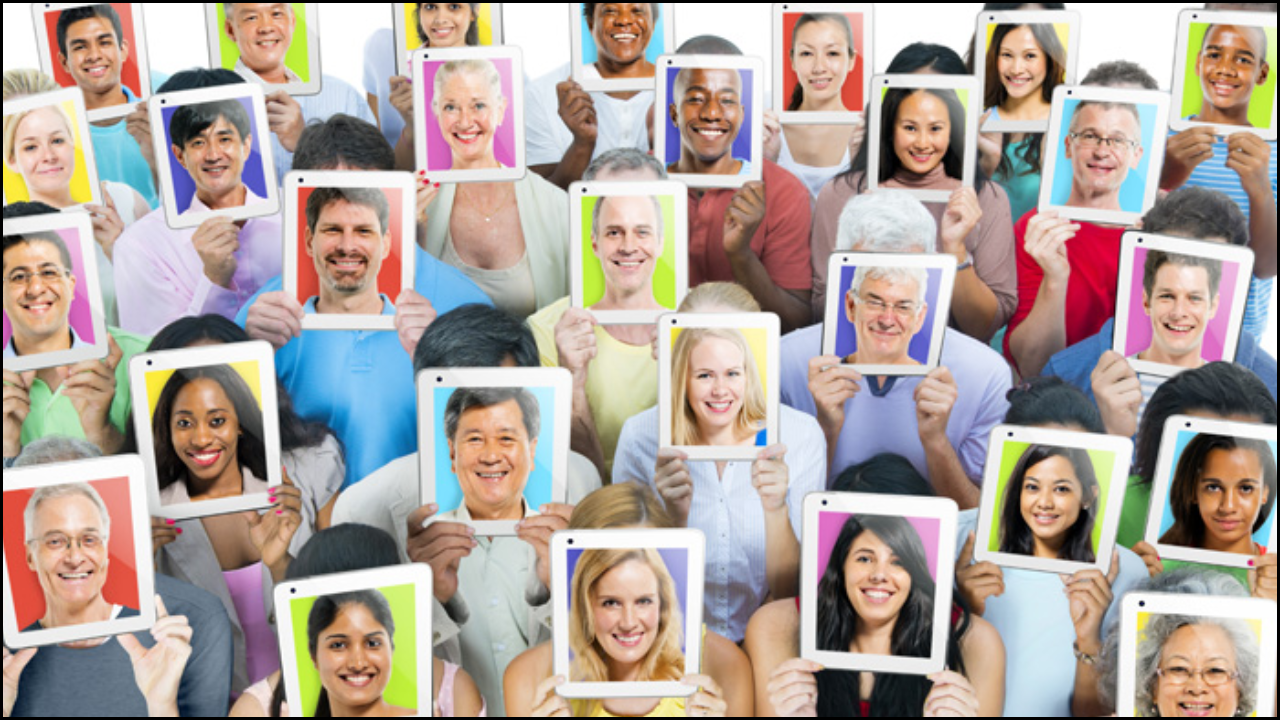
Societal values form the cultural foundation upon which human relationships are built and maintained. These values influence how individuals define love, express emotions, and measure satisfaction in romantic and interpersonal connections. Dr. Saida Heshmati’s Main Lab investigates how collective norms, beliefs, and traditions shape the quality and longevity of relationships across different societies. By exploring the intersection between culture, psychology, and emotional well-being, the lab highlights how societal frameworks—ranging from family expectations to gender roles—affect both individual happiness and relational harmony.
Table of Contents
Understanding the Role of Societal Values in Relationships
Societal values establish behavioral norms that dictate acceptable emotional and relational expressions.
Cultural expectations determine how partners prioritize love, loyalty, and personal fulfillment.
Collectivist societies often emphasize duty, family approval, and social harmony in relationships.
Individualist societies, by contrast, prioritize self-expression, autonomy, and mutual personal satisfaction.
Relationship satisfaction, therefore, reflects a complex balance between personal desires and social expectations.
Key Components of Societal Values Affecting Relationships
Societal Value
Description
Impact on Relationship Satisfaction
Family Expectations
Influence of family approval and involvement in relationship decisions.
Promotes stability in collectivist cultures but may restrict autonomy.
Gender Norms
Cultural roles assigned to men and women in emotional and domestic contexts.
Traditional roles can create imbalance; equality fosters satisfaction.
Religious Beliefs
Moral and ethical principles guiding relationships.
Strengthens commitment but may limit flexibility in conflict resolution.
Economic Ideals
Social emphasis on financial security and success.
Can enhance stability but may induce materialistic strain.
Individual Freedom
Value placed on independence and personal choice.
Encourages open communication and personal growth.
Dr. Saida Heshmati’s Main Lab Research Themes
Examination of cross-cultural differences in relationship expectations and emotional fulfillment.
Study of societal transformation and its influence on romantic partnerships over generations.
Analysis of social norms and identity, exploring how cultural identity shapes emotional needs.
Investigation of social pressure and conformity in marriage and dating contexts.
Research on cultural resilience identifies values that promote long-term relational well-being.
Societal Values and Emotional Expression in Relationships
Cultures that value emotional restraint often associate love with actions rather than words.
Openly expressive societies equate emotional transparency with relational authenticity.
Suppression of emotions may maintain surface harmony but can reduce intimacy.
Balanced emotional expression fosters understanding and long-term satisfaction.
Dr. Heshmati’s studies reveal that emotional compatibility is deeply tied to shared cultural understanding.
Cross-Cultural Patterns of Relationship Satisfaction
Cultural Context
Dominant Values
Relationship Traits
Level of Satisfaction
Collectivist (e.g., Japan, India)
Family honor, harmony, interdependence
High stability, moderate emotional expression
Steady but less expressive satisfaction
Individualist (e.g., USA, Australia)
Autonomy, emotional openness
High emotional engagement, evolving expectations
High satisfaction when values align
Transitional Societies (e.g., Brazil, South Korea)
Mix of tradition and modernity
Relationship dynamics in cultural negotiation
Moderate satisfaction with evolving norms
Egalitarian Cultures (e.g., Sweden, Netherlands)
Equality, respect, transparency
Emotional openness and shared responsibility
High satisfaction due to mutual respect
Influence of Societal Change on Relationship Dynamics
Globalization introduces diverse values, reshaping traditional relationship models.
Technological connectivity increases exposure to alternative relational ideals.
Shifts in gender roles promote equality and emotional balance.
Social initiatives promoting empathy and equality.
Global Research Collaboration
Comparative studies expand understanding of love norms.
Cross-national projects under Dr. Heshmati’s supervision.
Dr. Saida Heshmati’s Main Lab Contributions
Development of frameworks linking cultural identity and relationship satisfaction.
Comparative analysis of emotional well-being across collectivist and individualist societies.
Integration of psychological and sociological perspectives in relationship research.
Promotion of inclusive emotional models that reflect modern multicultural realities.
Advocacy for ethical research respecting cultural diversity and relational autonomy.
Key Takeaways
Societal values deeply shape the way love is experienced, communicated, and sustained. Dr. Saida Heshmati’s Main Lab underscores that relationship satisfaction depends not only on individual emotions but also on the broader cultural context that governs them. Through its interdisciplinary approach, the lab reveals that harmony between societal expectations and personal authenticity is essential for enduring relational happiness. By acknowledging cultural diversity and promoting empathy, Dr. Heshmati’s research continues to advance a global understanding of how societal values can nurture, challenge, or transform the emotional bonds that unite human beings.
She is a creative and dedicated content writer who loves turning ideas into clear and engaging stories. She writes blog posts and articles that connect with readers. She ensures every piece of content is well-structured and easy to understand. Her writing helps our brand share useful information and build strong relationships with our audience.