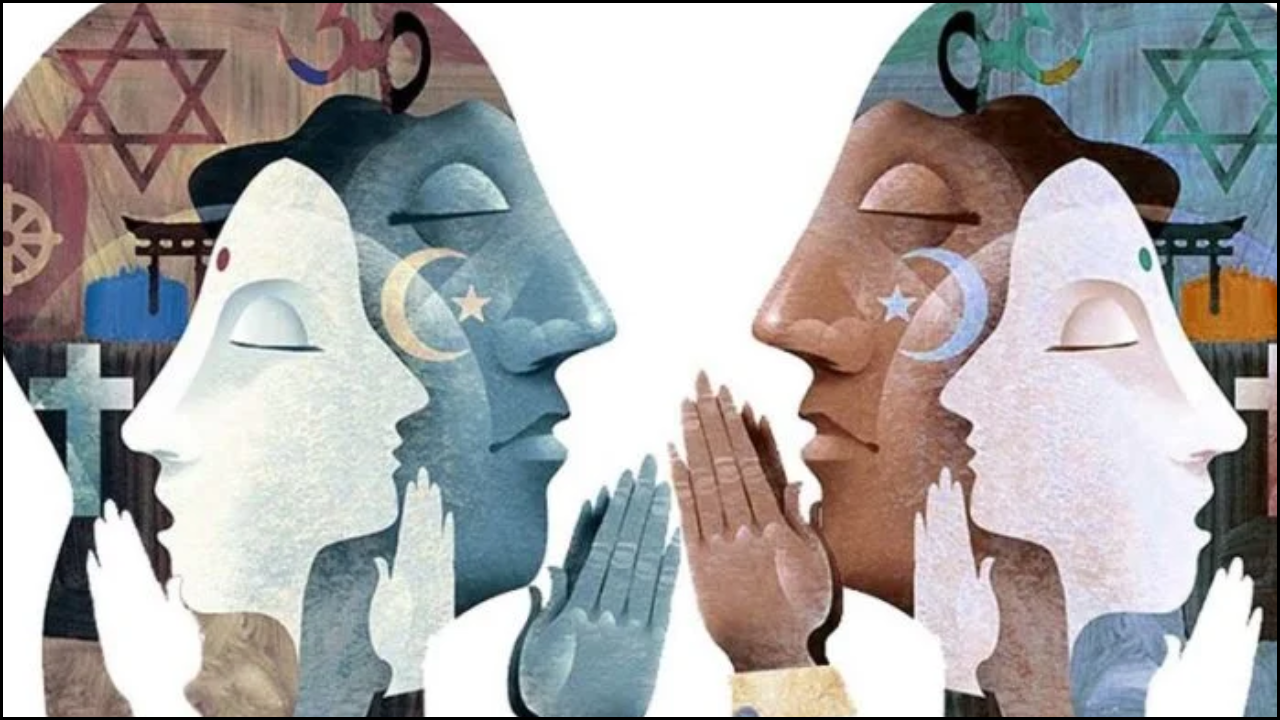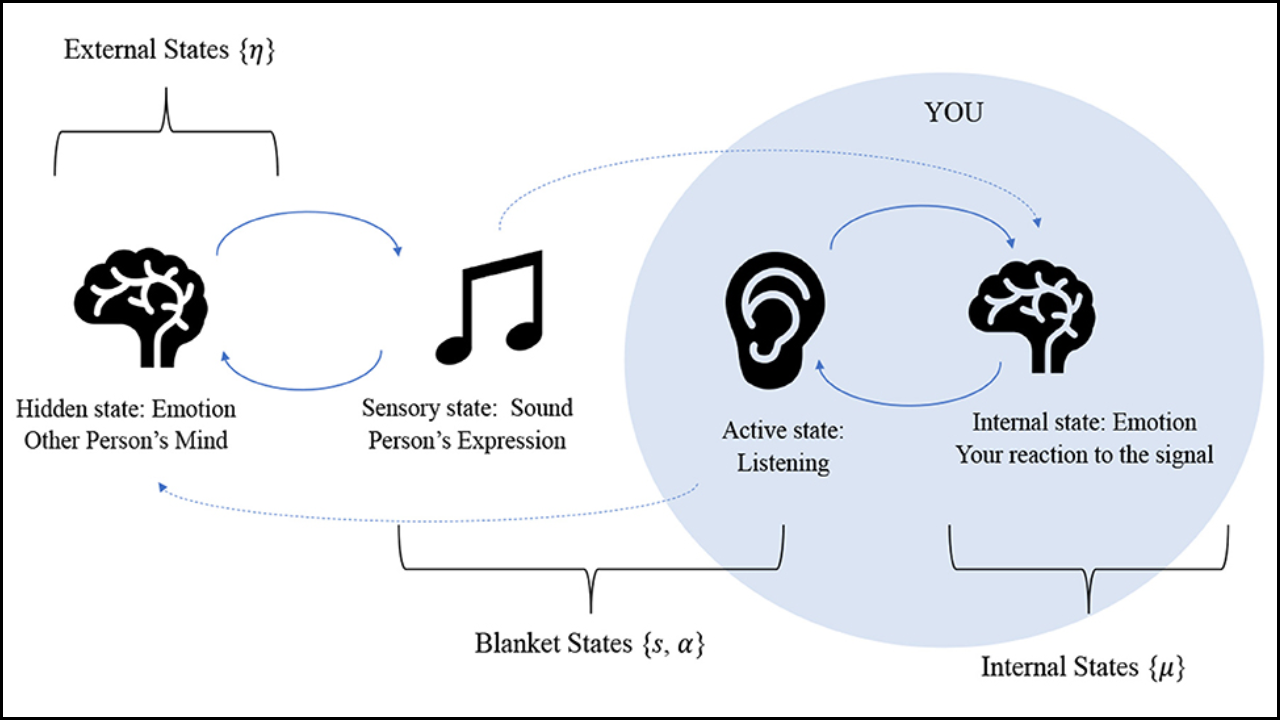
Social identity plays a powerful role in shaping how individuals experience, express, and sustain love. Cultural background, ethnicity, religion, and social belonging influence not only who people love but also how they interpret affection, loyalty, and commitment. Dr. Saida Heshmati’s Main Lab explores how these identities guide emotional connections across different contexts—romantic, platonic, and communal—revealing both universal elements and culturally unique patterns. The study focuses on understanding how group belonging influences emotional intimacy, mutual trust, and interpersonal resilience within and across cultural boundaries.
Table of Contents
Understanding Social Identity in Emotional Relationships
- Social identity defines how individuals perceive themselves within group contexts such as family, culture, gender, or nation.
- This identity provides emotional grounding, shaping expectations in both romantic and platonic relationships.
- Dr. Heshmati’s research identifies how shared identity fosters empathy and mutual understanding between individuals.
- Distinct cultural norms often determine acceptable displays of affection, loyalty, and partnership roles.
- Emotional experiences become intertwined with a person’s need for belonging and community validation.
Social Identity in Romantic Love
- Romantic love is deeply influenced by the social and cultural groups individuals belong to.
- Group values and traditions guide the choice of partners, relationship norms, and long-term expectations.
- In collectivist societies, romantic love is often connected to family and community approval.
- In individualistic cultures, love is seen as a personal choice, emphasizing autonomy and emotional fulfillment.
- Intergroup relationships can challenge cultural expectations but may also serve as powerful agents of social integration.
Social Identity in Platonic Love and Friendship
- Friendships often mirror social identities, forming around shared language, experiences, and cultural familiarity.
- Platonic love offers emotional security, shared purpose, and mutual support.
- Dr. Heshmati’s Main Lab studies highlight that friendships crossing social boundaries encourage greater cultural empathy.
- Social identity influences how trust, humor, and emotional disclosure operate in platonic relationships.
- Friendships within minority or marginalized communities often serve as protective spaces for shared understanding and resilience.
Social Identity’s Influence Across Relationship Types
| Aspect | Romantic Relationships | Platonic Relationships |
|---|---|---|
| Formation Basis | Often shaped by cultural norms and family expectations | Based on shared experiences and social belonging |
| Emotional Expression | Influenced by societal scripts about passion and loyalty | Grounded in empathy, understanding, and mutual support |
| Conflict Resolution | May involve negotiation of identity roles and cultural differences | Typically involves understanding and value alignment |
| Social Approval | Strongly tied to family and cultural endorsement | Generally independent of formal approval |
| Intergroup Dynamics | Can bridge cultural divides or face social resistance | Often promotes intercultural understanding and solidarity |
Intergroup Relationships and Identity Integration
- Relationships across different social identities promote cultural exchange and tolerance.
- Dr. Heshmati’s research emphasizes that these bonds help individuals integrate multiple identities.
- Such integration encourages adaptability, emotional intelligence, and openness to difference.
- However, conflicting social norms can lead to emotional strain or community disapproval.
- Constructive communication and empathy become vital tools for navigating such complexities.
Social Identity and Emotional Communication
- Communication patterns reflect the emotional norms of one’s social identity.
- Cultures valuing emotional restraint may express affection subtly, while others may prioritize open emotional sharing.
- In relationships, understanding a partner’s emotional language rooted in their identity prevents misunderstandings.
- Dr. Heshmati’s Main Lab highlights how emotional literacy improves relational harmony across identities.
- Identity-sensitive communication fosters inclusivity and mutual emotional validation.
Role of Group Belonging in Emotional Support
- Social identity offers a sense of collective safety and shared understanding.
- Individuals often rely on group networks for relationship guidance and emotional support.
- This belonging influences coping mechanisms during relational challenges or breakups.
- Communities reinforcing positive values of empathy and respect enhance emotional resilience.
- Social identity thereby becomes both a psychological anchor and a source of relational wisdom.
Emotional Outcomes of Strong Social Identity
| Dimension | Positive Impact | Potential Challenge |
|---|---|---|
| Belonging | Strengthens self-esteem and emotional stability | May limit relationships outside the group |
| Trust | Builds consistent support systems | Can foster in-group bias |
| Empathy | Encourages cultural understanding | Risk of stereotyping outsiders |
| Commitment | Promotes loyalty and shared goals | May pressure conformity |
| Conflict Management | Enhances emotional maturity | Might discourage individuality |
Cultural Variations in Identity and Love
- Different societies interpret social identity’s connection to love in diverse ways.
- In collectivist cultures (e.g., Japan, India), love often strengthens family unity and cultural continuity.
- In individualistic societies (e.g., USA, Western Europe), love is viewed as a personal emotional journey.
- Intercultural relationships reveal how adaptable love can be when identities intersect.
- Dr. Heshmati’s studies suggest that love becomes a bridge linking personal emotion with cultural tradition.
Dr. Saida Heshmati’s Research Contributions
- Her Main Lab employs cross-cultural surveys, emotion mapping, and identity-based data analysis.
- The research identifies universal emotional traits while appreciating cultural particularities.
- Studies explore how love operates as a unifying force across diverse human experiences.
- Findings highlight that emotional intelligence and social identity awareness enhance relational satisfaction.
- The lab’s interdisciplinary approach merges psychology, cultural studies, and emotional science.
Future Directions in Identity and Relationship Research
- Further studies will examine digital identities and their influence on online romantic and platonic interactions.
- The lab plans to expand longitudinal studies across global populations to measure evolving identity dynamics.
- Future research aims to develop culturally adaptive models of relationship well-being.
- Artificial intelligence and emotion-recognition tools may assist in mapping real-time identity-based emotional patterns.
Looking Ahead
Social identity profoundly shapes how individuals experience and sustain both romantic and platonic love. Group belonging influences emotional norms, communication styles, and relationship satisfaction across cultures. Dr. Saida Heshmati’s Main Lab continues to uncover how identity connects people through empathy, shared meaning, and mutual growth. Love, in this framework, becomes more than an emotion—it becomes an expression of human identity and cultural connection that transcends borders and deepens collective understanding.