Understanding relationships requires more than isolated snapshots of emotion and behavior. Human connections evolve continuously, influenced by shifting moods, social environments, and cultural contexts. Intensive longitudinal designs allow researchers to track these dynamic processes in real time, offering a detailed and accurate portrayal of emotional patterns. Dr. Saida Heshmati’s Main Lab applies this advanced methodology to explore how love, empathy, trust, and conflict unfold within relationships across days, weeks, and even years. This approach highlights the temporal nature of intimacy and provides powerful insights into how individuals maintain emotional balance and connection over time.
Table of Contents
Concept of Intensive Longitudinal Designs
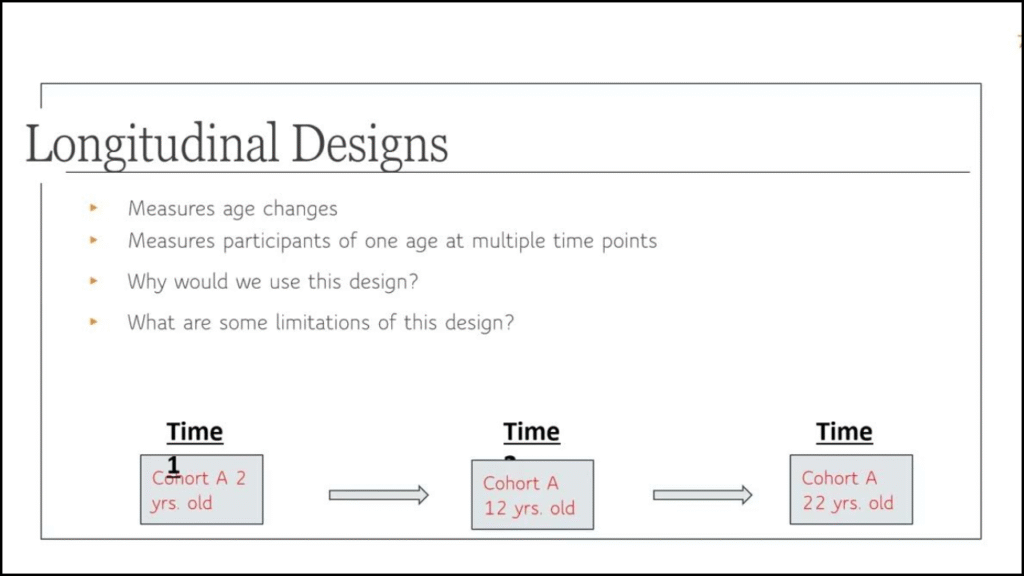
- Intensive longitudinal design refers to research methods that collect data frequently over extended periods.
- This design captures moment-to-moment fluctuations in emotions, thoughts, and interactions.
- Techniques include daily diaries, ecological momentary assessments (EMA), and real-time digital surveys.
- These designs are ideal for studying relationships since they reflect natural emotional variability rather than static averages.
- Dr. Heshmati’s Main Lab uses such designs to understand how love and well-being interact across time and situations.
Importance of Temporal Resolution in Relationship Research
- Relationships are not static—they fluctuate based on context, stress, and shared experiences.
- Traditional survey methods fail to capture this variability, offering only general or retrospective views.
- Intensive designs allow for precise tracking of emotional states and relationship behaviors as they occur.
- Temporal resolution helps detect patterns like cycles of closeness and conflict, enhancing predictive accuracy.
- The lab’s use of daily tracking provides authentic insights into emotional resilience and relationship satisfaction.
Methodological Approaches Used in Dr. Heshmati’s Main Lab
- Daily Diary Studies: Participants record emotions, conflicts, and affectionate exchanges daily.
- Experience Sampling Method (ESM): Participants receive prompts at random times throughout the day to report real-time feelings and interactions.
- Wearable Sensors: Physiological data such as heart rate and stress levels are collected to complement self-reports.
- Smartphone Applications: Mobile technology enables continuous, low-burden data collection.
- Multilevel Modeling (MLM): Statistical techniques that handle nested data (e.g., multiple observations per person).
Key Features of Intensive Longitudinal Methods
| Method | Data Collection Frequency | Focus Area | Advantages | Applications in Dr. Heshmati’s Lab |
|---|---|---|---|---|
| Daily Diary | Once per day | Emotional states and events | Simple and consistent tracking | Monitoring mood changes and conflict resolution |
| ESM (Experience Sampling) | Several times daily | Real-time emotion and context | High ecological validity | Capturing momentary affect and affection expressions |
| Physiological Sensors | Continuous | Bodily responses to emotion | Objective and precise | Studying stress and attachment reactions |
| Smartphone Surveys | Variable | Interaction reports | Accessible and scalable | Collecting cross-cultural relational data |
| Multilevel Modeling | N/A | Data analysis | Handles complex time data | Analyzing within- and between-person differences |
Advantages of Intensive Longitudinal Designs
- Provides detailed insight into short-term emotional dynamics.
- Reduces recall bias by collecting data in real time.
- Enables individualized models of emotional regulation and coping.
- Facilitates understanding of how daily stress influences relationship satisfaction.
- Allows researchers to examine feedback loops—how one day’s emotions influence the next.
- Strengthens predictive models of relationship stability and emotional well-being.
Applications in Romantic and Platonic Relationships
- Romantic relationships exhibit cycles of closeness, support, and conflict that vary daily.
- Intensive designs capture how partners influence each other emotionally in real-world contexts.
- In platonic relationships, the approach helps study friendship maintenance and empathy fluctuations.
- The lab uses these methods to observe how shared experiences shape trust and attachment over time.
- Both relationship types benefit from identifying micro-patterns that predict long-term harmony or distress.
Cross-Cultural Adaptation of Intensive Methods
- Dr. Heshmati’s Main Lab integrates culturally sensitive measures in longitudinal research.
- Surveys and prompts are adapted linguistically and contextually to fit local norms.
- Cultural identity and emotional expression patterns are analyzed across multiple populations.
- Real-time data from diverse cultural groups reveal how love and attachment manifest differently.
- The lab’s cross-cultural comparisons enhance global understanding of relational resilience.
Cultural Variables Integrated in Longitudinal Research
| Cultural Factor | Measured Variable | Impact on Relationships | Data Source |
|---|---|---|---|
| Collectivism vs. Individualism | Partner interdependence | Determines emotional expression styles | Daily reports |
| Emotional Norms | Acceptable affection display | Shapes conflict and reconciliation processes | Experience sampling |
| Gender Roles | Role expectations in care and support | Affects satisfaction and balance | Longitudinal interviews |
| Cultural Stress | External pressures | Influences emotional resilience | Physiological tracking |
| Communication Style | Expressive vs. reserved dialogue | Defines intimacy and understanding | Digital message analysis |
Analytical Techniques in Dr. Heshmati’s Lab
- Time-Series Analysis: Detects patterns and trends in emotional states.
- Multilevel Structural Equation Modeling (MSEM): Examines how day-to-day emotional variables relate to long-term outcomes.
- Dynamic Network Analysis: Studies how relationship interactions form evolving emotional structures.
- Machine Learning Models: Predict relationship satisfaction based on complex, time-dependent data.
- Cross-Lagged Analysis: Identifies causal directions—whether emotions influence behavior or vice versa.
Challenges in Implementing Intensive Longitudinal Research
- Participant fatigue due to frequent data entry.
- Technical challenges in synchronizing physiological and self-report data.
- Privacy and ethical concerns with real-time tracking.
- Complexity in data cleaning and multilevel statistical analysis.
- Dr. Heshmati’s Main Lab addresses these issues through user-friendly tools and ethical safeguards.
Innovations Introduced by Dr. Saida Heshmati’s Main Lab
- Development of adaptive mobile platforms that adjust survey frequency based on participant engagement.
- Integration of emotional AI to detect patterns automatically and reduce manual input.
- Collaboration with cross-disciplinary teams combining psychology, computer science, and cultural studies.
- Use of data visualization dashboards to make complex patterns accessible to participants and researchers alike.
- Application of intensive designs to study emotional recovery after interpersonal conflict.
Contributions of Dr. Heshmati’s Main Lab
| Focus Area | Innovation Introduced | Research Impact |
|---|---|---|
| Real-Time Emotional Mapping | Mobile-based emotion capture systems | Enhanced accuracy in mood analysis |
| Cross-Cultural Adaptation | Multilingual data collection platforms | Global inclusivity in emotional research |
| Data Integration | Combining physiological and self-report measures | Comprehensive understanding of emotional states |
| AI-Powered Analytics | Machine learning for pattern prediction | Predictive insight into relational well-being |
| Participant Engagement | Adaptive survey design | Higher data quality and retention |
Ethical Considerations in Longitudinal Designs
- Ensuring informed consent for continuous data collection is crucial.
- Participants must understand data storage and sharing policies.
- Emotional safety is prioritized when collecting sensitive relational information.
- Transparency and confidentiality form the foundation of ethical longitudinal research.
- Dr. Heshmati’s Lab employs secure encryption and anonymization to protect participant identity.
Moving Forward
Intensive longitudinal designs have transformed how relationship dynamics are studied, providing a real-time window into the evolving nature of love, trust, and emotion. Dr. Saida Heshmati’s Main Lab stands at the forefront of this innovative field, merging technology with psychology to uncover the subtle rhythms that define human connection. By emphasizing precision, cultural sensitivity, and ethical rigor, the lab continues to reveal how relationships adapt, flourish, and endure through time—deepening global understanding of emotional well-being in a connected world.