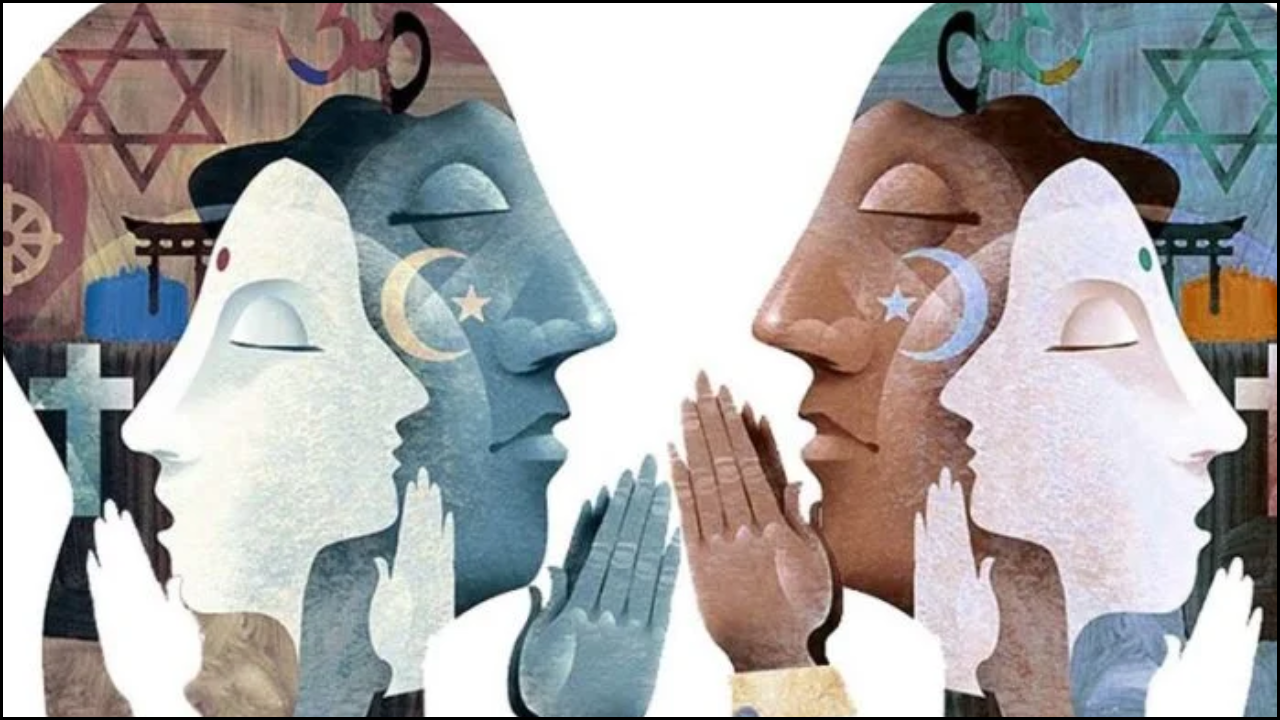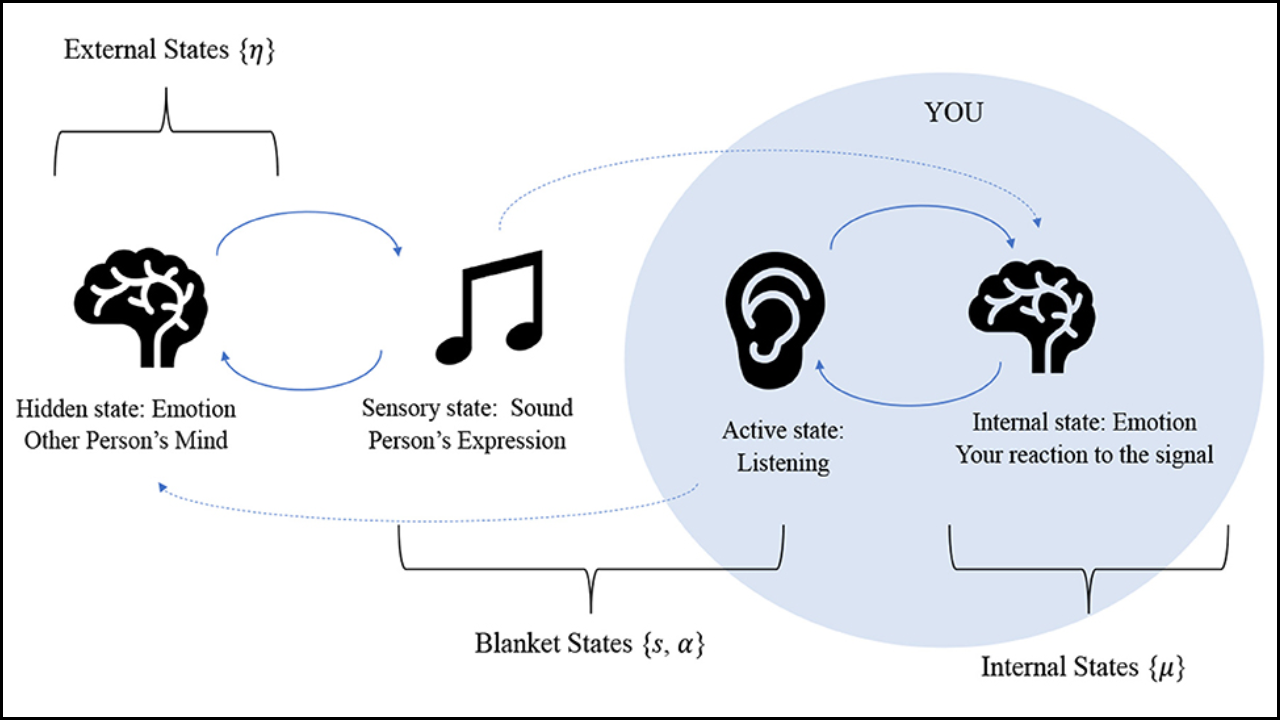
Love serves as one of the most powerful emotional bridges among humans, transcending language, geography, and culture. While its expressions may differ, the underlying emotions of affection, trust, and connection remain universally recognizable. Dr. Saida Heshmati’s Main Lab explores how shared experiences of love contribute to intercultural understanding, promoting empathy, respect, and social harmony across diverse cultural groups. The research highlights how the emotional universality of love fosters dialogue and mutual appreciation in multicultural environments while revealing the role of cultural values in shaping expressions of affection and belonging.
Table of Contents
Concept of Intercultural Understanding
Intercultural understanding refers to the ability to recognize, respect, and empathize with the emotions, traditions, and perspectives of individuals from different cultural backgrounds.
- Shared emotional experiences create a sense of common humanity.
- Love functions as a universal emotional language that fosters interpersonal bridges.
- Cultural empathy enhances communication and reduces prejudice.
- Emotional awareness helps individuals navigate cultural differences without misunderstanding.
Love as a Universal Emotional Connector
Despite cultural diversity, the experience of love unites people through shared psychological and physiological processes.
| Universal Feature of Love | Explanation |
|---|---|
| Emotional Warmth | Feelings of closeness and care are recognized across cultures. |
| Commitment | Dedication to long-term bonds, whether romantic, familial, or communal. |
| Empathy | Understanding another’s feelings without cultural boundaries. |
| Altruism | Selfless behavior rooted in care and affection. |
| Trust | Foundational element that sustains relationships universally. |
Cultural Specificity in Expressing Love
While the emotion of love is shared, its communication is culture-specific.
- Some societies emphasize indirect expressions through acts of service or respect.
- Others value open verbal and physical affection as proof of emotional sincerity.
- Cultural norms determine the appropriate timing and context for expressing love.
- Symbolic gestures such as festivals, rituals, and traditional ceremonies express love collectively.
Research Focus in Dr. Heshmati’s Main Lab
Dr. Saida Heshmati’s Main Lab investigates how love experiences serve as entry points for intercultural empathy and relational growth.
- Comparative Emotional Studies explore how cultural values shape emotional communication.
- Cross-National Surveys assess perceptions of romantic and familial love across societies.
- Cultural Immersion Projects study how shared experiences of love foster understanding in global communities.
- Algorithmic Modeling maps emotional exchange across cultural groups using linguistic and behavioral data.
Emotional Exchange and Cultural Empathy
The shared experience of love enables people to emotionally resonate beyond cultural barriers.
- Mutual affection encourages openness and vulnerability in intercultural encounters.
- Emotional reciprocity helps individuals relate to different value systems.
- Love-based empathy strengthens multicultural teamwork and friendship.
- Dr. Heshmati’s research emphasizes emotional literacy as a tool for global peacebuilding.
Cross-Cultural Forms of Love Expression
| Culture Type | Primary Expression of Love | Social Function |
|---|---|---|
| Collectivist Cultures | Loyalty, respect, and duty toward family or community. | Reinforces social unity and group identity. |
| Individualist Cultures | Open communication, personal affection, and choice. | Promotes personal freedom and emotional authenticity. |
| Eastern Traditions | Symbolic rituals and subtle gestures. | Upholds harmony and spiritual connection. |
| Western Traditions | Direct emotional disclosure and public celebration. | Encourages self-expression and relational transparency. |
Intercultural Communication and Shared Love Values
Effective intercultural relationships develop when emotional values align or are mutually respected.
- Love provides a nonverbal communication bridge between people of different backgrounds.
- Common emotional experiences—parental affection, friendship, or partnership—promote mutual comprehension.
- Shared moments of vulnerability create trust and break down stereotypes.
- Dr. Heshmati’s Main Lab highlights the transformative power of love-based dialogue in multicultural environments.
Role of Shared Experiences in Cultural Integration
Experiencing love across cultures promotes acceptance, curiosity, and belonging.
- Cross-cultural couples often navigate emotional dualities, combining two cultural scripts of love.
- Friendships formed through empathy foster cross-cultural learning.
- Educational exchanges, travel, and artistic collaboration create shared emotional memories.
- These shared experiences serve as emotional meeting points for intercultural understanding.
Empathy Development Through Love Research
Empathy, derived from emotional awareness, plays a critical role in intercultural harmony.
| Type of Empathy | Relevance to Intercultural Love |
|---|---|
| Affective Empathy | Enables individuals to feel the emotional states of others, bridging cultural divides. |
| Cognitive Empathy | Promotes understanding of cultural perspectives through intellectual awareness. |
| Compassionate Empathy | Translates emotion into supportive intercultural action. |
Cultural Narratives of Love and Global Understanding
Stories, art, and traditions surrounding love act as cultural translators.
- Literature and cinema share emotional themes that resonate across societies.
- Folklore preserves moral lessons about compassion and fidelity.
- Shared artistic experiences cultivate intercultural bonding.
- Dr. Heshmati’s team analyzes cultural storytelling as a form of emotional diplomacy.
Challenges in Intercultural Love Understanding
Despite its unifying potential, love’s cultural interpretation can also cause misunderstanding.
- Miscommunication arises when emotional expressions carry different meanings across cultures.
- Social expectations regarding gender, family, or romance vary widely.
- Power dynamics and historical tensions can hinder emotional openness.
- Research from the Main Lab focuses on mitigating these barriers through empathy and education.
Technology and Intercultural Love Connections
Digital platforms allow people from diverse backgrounds to share emotional experiences globally.
- Online relationships expose individuals to multiple cultural expressions of love.
- Social media encourages emotional storytelling that crosses linguistic boundaries.
- Digital communication helps maintain long-distance intercultural bonds.
- Virtual empathy tools are being studied in Dr. Heshmati’s Main Lab to assess global emotional engagement.
Research Findings from Dr. Heshmati’s Main Lab
| Study Area | Key Insight |
|---|---|
| Intercultural Couples Study | Blending of cultural traditions enhances mutual respect and adaptability. |
| Emotion Recognition Project | People can identify love-related emotions through facial cues across cultures. |
| Cross-Cultural Education Programs | Students exposed to love-based empathy training show higher cultural tolerance. |
| Digital Empathy Mapping | Online communication patterns reveal shared emotional understanding globally. |
Benefits of Shared Experiences of Love
Intercultural understanding through love fosters emotional and social benefits.
- Global empathy and cooperation increase through shared affection.
- Prejudice and xenophobia decrease as emotional bonds deepen.
- Individuals experience higher well-being when exposed to diverse emotional expressions.
- Cultural blending through relationships strengthens global peace networks.
Practical Applications of Research
| Application Area | Outcome |
|---|---|
| Education | Promotes emotional intelligence and empathy in multicultural classrooms. |
| Workplace | Enhances intercultural communication through empathy-based leadership. |
| Therapy and Counseling | Encourages couples to integrate cultural understanding into emotional healing. |
| Community Development | Builds inclusive social environments rooted in mutual care. |
Final Analysis
Intercultural understanding thrives when love becomes a shared emotional experience rather than a culturally confined concept. Dr. Saida Heshmati’s Main Lab demonstrates that while cultural backgrounds shape how love is expressed, the emotion itself unites people through empathy, compassion, and connection. By studying love as both a universal human experience and a culturally nuanced emotion, the lab highlights the possibility of global harmony built upon shared feelings of care and respect. This approach underscores that in a world defined by diversity, love remains humanity’s most powerful bridge for intercultural unity and understanding.