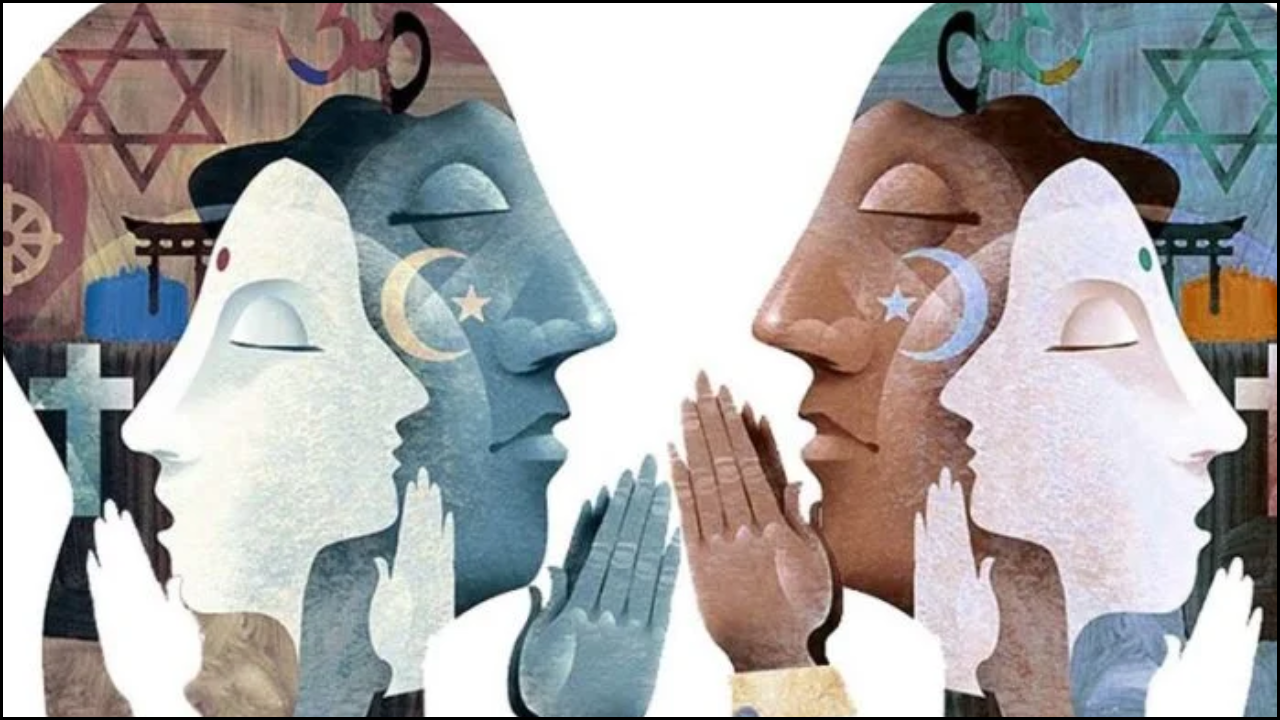
Romantic love stands as one of the most powerful and universally experienced emotions, yet its expression differs widely across cultures. Each society defines romantic affection through its traditions, communication styles, and social values. Dr. Saida Heshmati’s Main Lab investigates these cross-cultural variations, exploring how individuals express, perceive, and sustain romantic connections across diverse societies. Through multidisciplinary research combining psychology, sociology, and cultural anthropology, the lab reveals how romantic love reflects broader social identities and emotional norms. Understanding these global differences enhances empathy and enriches human connection.
Table of Contents
Meaning of Romantic Love Across Cultures
Romantic love is viewed as an emotional, cognitive, and behavioral bond between partners.
Every culture interprets the concept differently, guided by social expectations, religious principles, and historical influences.
In some societies, romantic love is a private emotional experience, while in others, it is deeply tied to family or community.
Dr. Heshmati’s Main Lab focuses on how these meanings affect emotional communication, relationship satisfaction, and mental well-being.
The study of cross-cultural love patterns reveals universal needs for intimacy, trust, and belonging, even when expressed in contrasting ways.
Individualistic vs. Collectivist Romantic Expressions
Individualistic cultures (such as the United States and Western Europe) emphasize personal choice, autonomy, and open affection.
Romantic relationships are often seen as partnerships formed through emotional compatibility and personal freedom.
Collectivist cultures (such as Japan, India, and China) prioritize family approval, duty, and harmony.
Romantic expression may be more restrained but equally deep, emphasizing loyalty and shared responsibility.
Dr. Heshmati’s research highlights how these frameworks influence emotional disclosure and relationship longevity.
Contrasting Romantic Norms in Individualistic and Collectivist Cultures
Aspect
Individualistic Cultures
Collectivist Cultures
Love Definition
Emotional and personal fulfillment
Duty, harmony, and collective well-being
Expression
Open affection and verbal communication
Subtle gestures and emotional restraint
Decision Making
Based on personal choice
Influenced by family and social approval
Commitment
Often flexible or negotiated
Often long-term and duty-bound
Conflict Resolution
Direct communication
Indirect or mediated by elders
Romantic Love in Western Societies
Western cultures commonly view love as an individual pursuit linked to emotional satisfaction.
Partners express affection through verbal affirmations, gifts, and physical intimacy.
Public displays of affection are socially accepted and often celebrated.
Romantic relationships are associated with freedom of choice and equality between partners.
Dr. Heshmati’s Main Lab notes that Western societies emphasize communication, trust, and authenticity as key components of successful love.
Romantic Love in Eastern and Asian Contexts
Eastern societies often regard love as a quiet, enduring connection grounded in respect and duty.
Expressions may include shared responsibility, care, and symbolic actions rather than open emotional displays.
Family approval plays a central role in validating romantic relationships.
Emotional restraint and patience are valued as signs of maturity.
Research from Dr. Heshmati’s lab shows that love in these cultures often prioritizes stability over passion and collective happiness over individual desire.
Romantic Expression Patterns in Selected Regions
Region
Cultural Traits
Typical Expression of Love
Symbolic Actions
Emotional Value
North America
Individualism, equality
Open conversation, shared experiences
Gift-giving, public affection
Personal fulfillment
East Asia
Collectivism, discipline
Subtle gestures, shared silence
Acts of care, indirect communication
Emotional harmony
South Asia
Spirituality, family values
Respectful interaction
Marriage rituals, lifelong devotion
Sacrifice and loyalty
Middle East
Tradition, morality
Reserved emotions
Faith-driven commitment
Honor and fidelity
Latin America
Passion, expressiveness
Romantic gestures, music, and dance
Serenades, poetry
Emotional intensity
Gender Differences in Romantic Expression
Gender norms significantly influence how individuals communicate love across societies.
Women are often encouraged to express nurturing affection, while men may demonstrate love through protection or provision.
Dr. Heshmati’s Main Lab identifies a shift toward greater gender balance in emotional expression worldwide.
Modernization and education promote mutual openness, where both partners share vulnerability and affection.
Romantic equality strengthens relationships by fostering empathy and understanding.
Role of Language and Emotion Words
The vocabulary of love reflects cultural worldviews.
Some languages have multiple terms for different kinds of love (e.g., Greek words such as eros, philia, and agape).
In contrast, other cultures may describe love through metaphors or actions rather than direct words.
Dr. Heshmati’s studies highlight how linguistic diversity mirrors emotional diversity, revealing how language shapes the experience of love.
Translation of love expressions across cultures often reveals subtle emotional gaps.
Cultural Rituals and Romantic Symbolism
Rituals serve as visible markers of romantic commitment and emotional depth.
Engagement ceremonies, festivals, and symbolic gifts vary across societies but carry similar intentions of devotion.
Western societies celebrate Valentine’s Day as a public expression of love, while in Japan, White Day reverses gift-giving roles.
South Asian cultures incorporate elaborate marriage rituals that represent lifelong emotional and spiritual bonding.
The Main Lab’s comparative studies show that these rituals reinforce collective meaning and emotional continuity across generations.
Symbolic Romantic Rituals in Global Cultures
Culture
Romantic Ritual
Symbolic Meaning
Common Practice
Western
Valentine’s Day
Celebration of affection
Exchanging cards and gifts
Japanese
White Day
Reciprocity in love
Men gifting sweets to women
Indian
Karva Chauth
Devotion and longevity of the partner
Fasting and prayer
Middle Eastern
Henna Night
Blessing before marriage
Artistic hand designs
African
Dowry Exchange
Union between families
Gift exchange ceremony
Technology and Modern Transformations in Romantic Love
Digital communication has redefined how love develops and endures across distances.
Online dating platforms enable intercultural relationships and global understanding.
Social media introduces new forms of emotional expression through messages, photos, and virtual intimacy.
Dr. Heshmati’s lab explores how technology blends traditional love beliefs with modern interaction styles.
Despite modernization, many people still retain cultural values of loyalty and long-term commitment.
Cultural Challenges in Cross-National Relationships
Intercultural relationships face challenges of differing expectations, communication styles, and family involvement.
Misunderstandings may arise from varied interpretations of affection, gender roles, and emotional expression.
Dr. Heshmati’s research emphasizes cultural awareness and emotional intelligence as essential for success in global relationships.
Couples who navigate cultural diversity develop greater empathy, adaptability, and understanding.
These partnerships serve as bridges between societies, fostering global emotional connection.
Impact on Emotional Health and Social Cohesion
Cultural harmony in romantic relationships contributes to mental well-being and societal stability.
Expressing love in culturally accepted ways provides emotional security.
Suppressing affection due to social stigma may lead to stress or loneliness.
Dr. Heshmati’s Main Lab identifies emotional well-being as a core outcome of culturally aligned love expressions.
Romantic satisfaction, when supported by cultural understanding, promotes long-term happiness.
Psychological Effects of Culturally Aligned Romantic Expressions
Cultural Alignment Level
Emotional Outcome
Relationship Quality
Social Effect
High alignment
Greater satisfaction and harmony
Strong commitment
Social cohesion
Moderate alignment
Occasional misunderstanding
Flexible stability
Cultural adaptation
Low alignment
Emotional conflict or confusion
Relationship strain
Social tension
Final Thoughts
Romantic love, though universally human, wears the colors of culture. Every society translates love’s emotions into its own language of gestures, values, and rituals. Dr. Saida Heshmati’s Main Lab continues to uncover how these expressions reflect deeper psychological and cultural truths about connection and identity. The lab’s findings demonstrate that understanding love across cultures not only deepens emotional intelligence but also strengthens empathy and coexistence. Romantic love thus becomes not just a personal emotion but a shared human bridge linking hearts across cultural boundaries.
She is a creative and dedicated content writer who loves turning ideas into clear and engaging stories. She writes blog posts and articles that connect with readers. She ensures every piece of content is well-structured and easy to understand. Her writing helps our brand share useful information and build strong relationships with our audience.